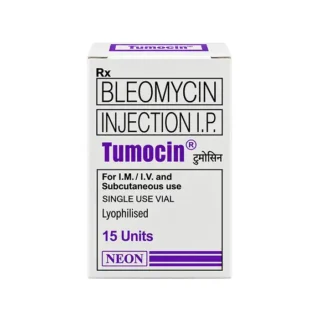
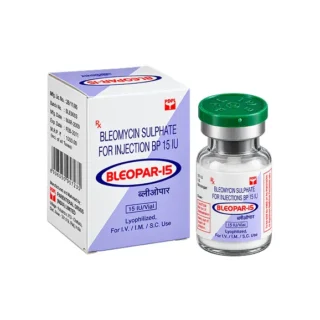
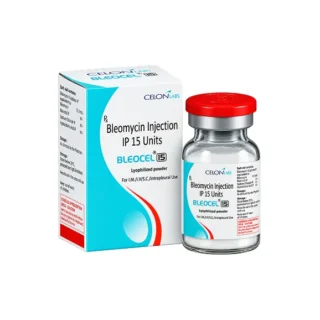
Type: Anticancer (chemotherapy) medication
Drug Class: Antitumor antibiotic
Form: Injectable solution, usually given intravenously, intramuscularly, or subcutaneously
Bleomycin binds to DNA in cancer cells and causes breaks in the DNA strands.
This stops the cancer cells from dividing and leads to cell death.
It is most effective during the G2 and M phases of the cell cycle (when cells are preparing to divide).
Hodgkin’s lymphoma (part of ABVD chemotherapy regimen)
Non-Hodgkin’s lymphoma
Testicular cancer
Squamous cell cancers (head, neck, cervix, skin)
Pleurodesis (treatment of recurrent pleural effusion — injected into the chest cavity to prevent fluid buildup)
Very effective for certain cancers (especially testicular cancer and Hodgkin’s lymphoma)
Can be combined with other chemotherapy drugs for better outcomes
Has relatively low effect on bone marrow compared to many other chemotherapies
Lung toxicity (most serious):
Pulmonary fibrosis or inflammation (cough, shortness of breath)
Risk increases with higher cumulative doses
Skin changes (darkening, thickening, rash)
Fever and chills after injection
Mouth sores
Nausea and vomiting
Hair loss (usually mild)
Lung function tests are usually done before and during treatment
Total lifetime dose is limited to reduce risk of lung damage
Use caution in people with existing lung disease
Avoid high concentrations of supplemental oxygen during surgery (can worsen lung toxicity)
Requires administration by trained medical professionals
WhatsApp us
Submit your request and our team will respond via email within 24 hours.