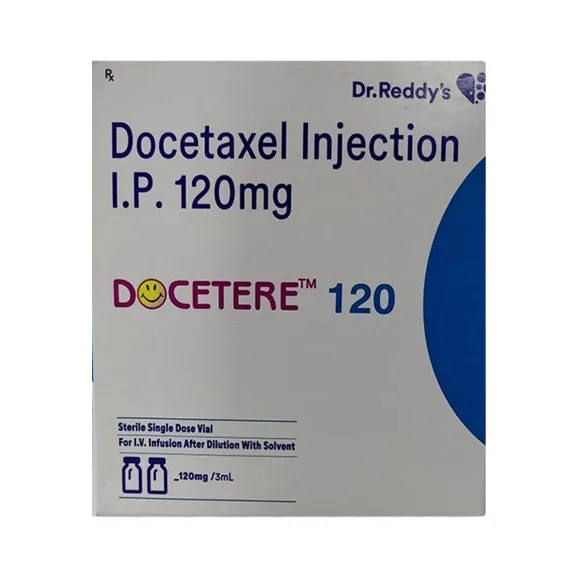
Docetaxel Injections
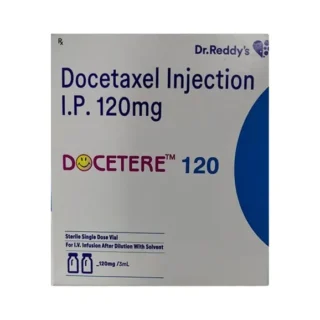
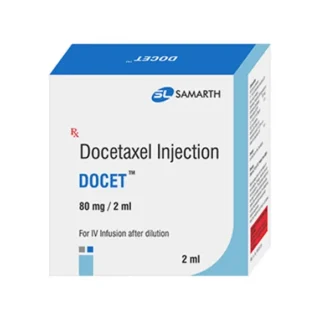
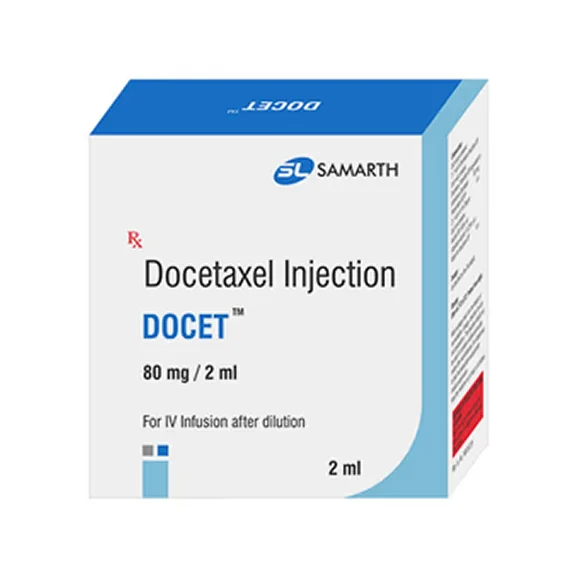
| Product/Composition | Docetaxel Injections |
|---|---|
| Strength | 20mg, 80mg, 120mg |
| Form | Injection |
| Production Capacity | 1 Million Injection/Month |
| Therapeutic use | Anti Cancer |
| Package Insert/Leaflet | Available upon request |
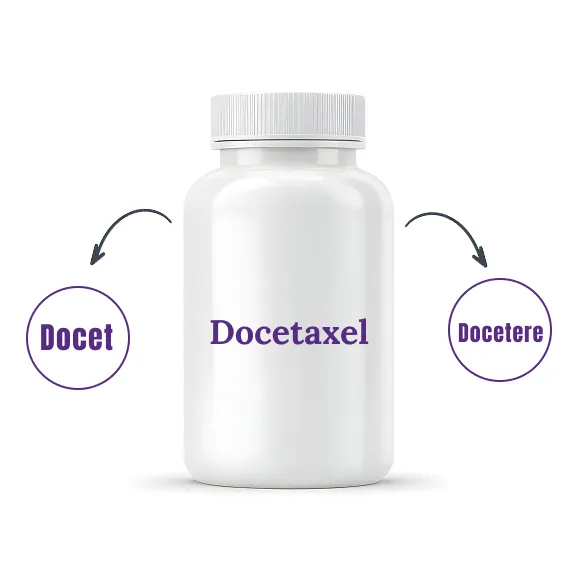
| Brand Name | Docet, Docetere |
Docetaxel Injection
-
Type: Chemotherapy medication
-
Drug Class: Taxane antineoplastic agent
-
Form: Sterile solution or concentrate for intravenous (IV) infusion
How It Works
-
Docetaxel works by stabilizing microtubules, which are essential structures inside cells needed for cell division.
-
By preventing microtubule breakdown, docetaxel halts the cell cycle in the mitotic phase, leading to cancer cell death.
-
It targets rapidly dividing cancer cells but can also affect some normal cells, which explains its side effects.
Common Uses
Docetaxel is used in the treatment of many cancers, including:
-
Breast cancer (early-stage, locally advanced, or metastatic)
-
Non-small cell lung cancer (NSCLC)
-
Prostate cancer (often combined with prednisone)
-
Gastric (stomach) cancer
-
Head and neck cancers
Advantages
-
Highly effective in reducing tumor size and improving survival in several cancers
-
Can be used alone or in combination with other chemotherapy agents (e.g., cisplatin, doxorubicin)
-
Has a well-studied dosing schedule that allows monitoring and dose adjustments
Possible Side Effects
Common:
-
Low white blood cell count (neutropenia, increasing infection risk)
-
Fatigue and weakness
-
Hair loss (alopecia)
-
Nausea, vomiting, diarrhea
-
Mouth sores (mucositis)
-
Nail changes (discoloration, brittleness)
-
Fluid retention (swelling in legs or weight gain)
Serious but Less Common:
-
Severe allergic reactions (requires premedication with corticosteroids)
-
Nerve damage (peripheral neuropathy, causing tingling or numbness)
-
Liver toxicity
-
Rare: heart rhythm disturbances
Precautions
-
Administered only under supervision of an oncologist in a chemotherapy center
-
Liver function tests must be checked before each dose (drug is metabolized by the liver)
-
Patients are usually given steroids (e.g., dexamethasone) before and after treatment to reduce allergic reactions and fluid retention
-
Blood counts are monitored regularly to avoid severe neutropenia
-
Use cautiously in patients with poor liver function or preexisting neuropathy