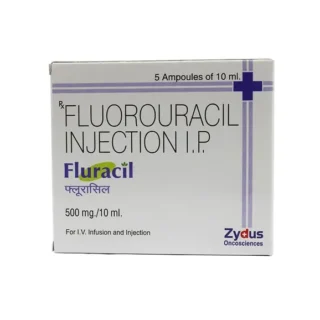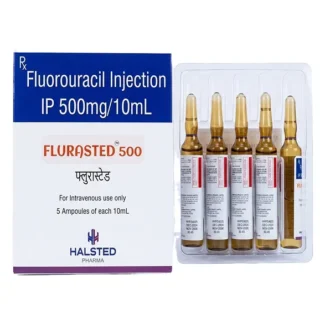
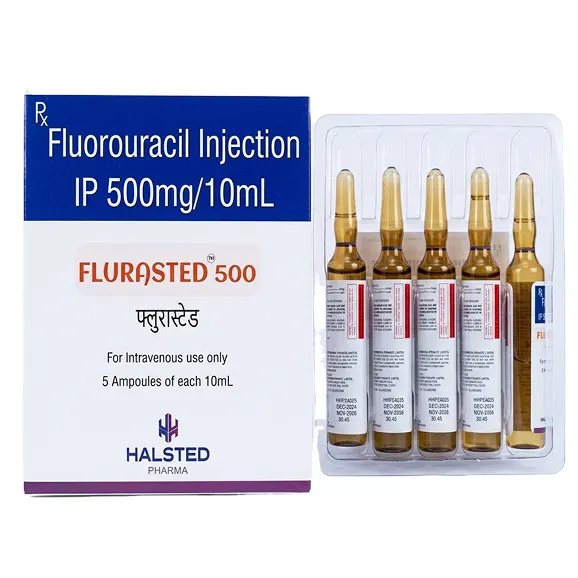
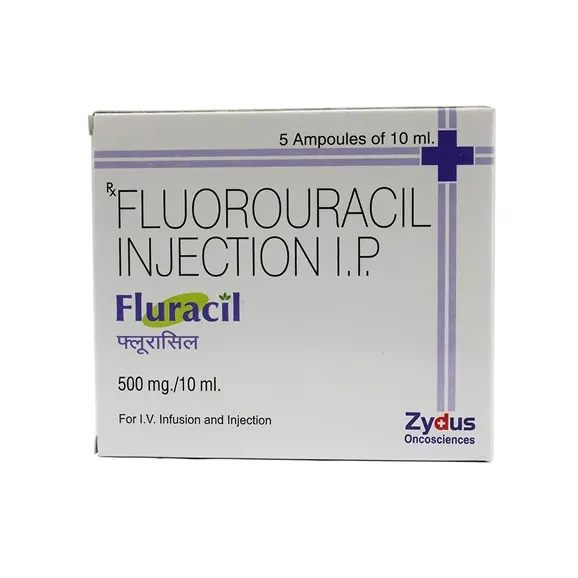
Fluorouracil Injection
| Product/Composition | Fluorouracil Injection |
|---|---|
| Strength | 250mg, 500mg |
| Form | Injection |
| Production Capacity | 1 Million Injection/Month |
| Therapeutic use | Anti Cancer |
| Package Insert/Leaflet | Available upon request |
| Brand Name | Flurasted, Fluracil |
Fluorouracil (5-FU) Injection
-
Type: Anticancer medication
-
Drug Class: Antimetabolite / Pyrimidine analog
-
Form: Sterile solution for intravenous (IV) injection or infusion
How It Works
-
5-FU is converted in the body to active metabolites that:
-
Inhibit thymidylate synthase, an enzyme necessary for DNA synthesis
-
Get incorporated into RNA and DNA, disrupting their function
-
-
This causes cell cycle arrest and death of rapidly dividing cancer cells (most active in the S-phase of cell cycle).
Common Uses
Fluorouracil injection is a key drug in the treatment of many solid tumors, including:
-
Colorectal cancer (often in combination regimens like FOLFOX or FOLFIRI)
-
Gastric cancer
-
Pancreatic cancer
-
Breast cancer (in combination protocols)
-
Head and neck cancers
-
Basal cell carcinoma and actinic keratosis (topical 5-FU form)
Advantages
-
Widely used and well-studied drug with decades of clinical experience
-
Can be given as bolus injection or continuous infusion (infusion is often better tolerated and more effective)
-
Often combined with leucovorin (folinic acid) to enhance its effect on thymidylate synthase
Possible Side Effects
Common:
-
Bone marrow suppression (low white blood cells, anemia, low platelets)
-
Diarrhea
-
Mouth sores (mucositis)
-
Nausea, vomiting
-
Hair thinning
Serious / Dose-Limiting:
-
Severe neutropenia (infection risk)
-
Hand-foot syndrome (palmar-plantar erythrodysesthesia) with prolonged infusions
-
Cardiotoxicity (chest pain, arrhythmia – rare but serious)
-
Severe toxicity in patients with DPD (dihydropyrimidine dehydrogenase) deficiency
Precautions
-
Genetic testing for DPD deficiency may be recommended before starting therapy (to avoid life-threatening toxicity)
-
Close monitoring of blood counts, liver and kidney function during treatment
-
Use with caution in patients with a history of cardiac disease
-
Good hydration and antiemetics can help manage side effects