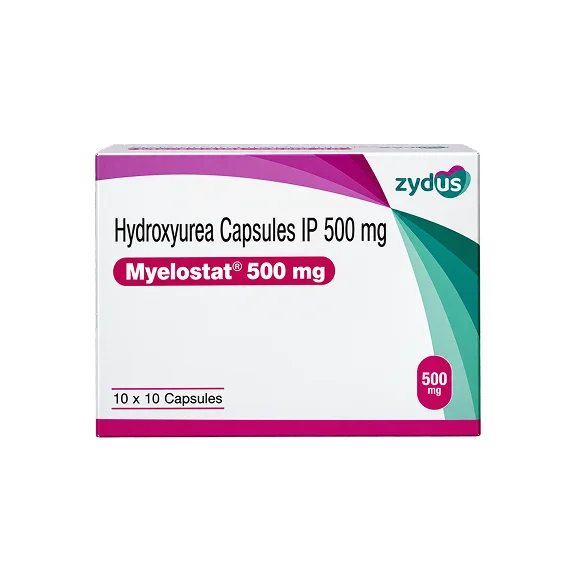
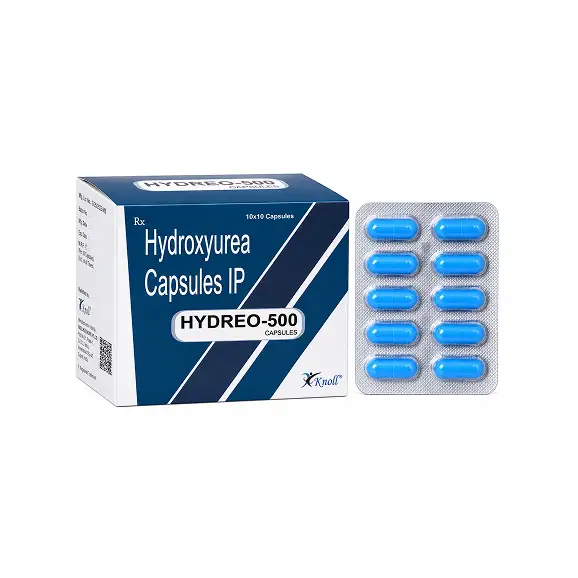
Hydroxyurea Tablets
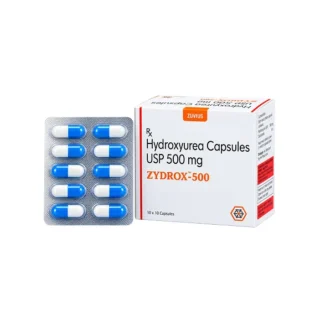
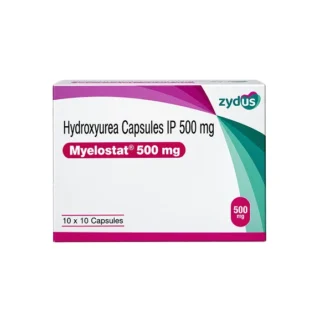
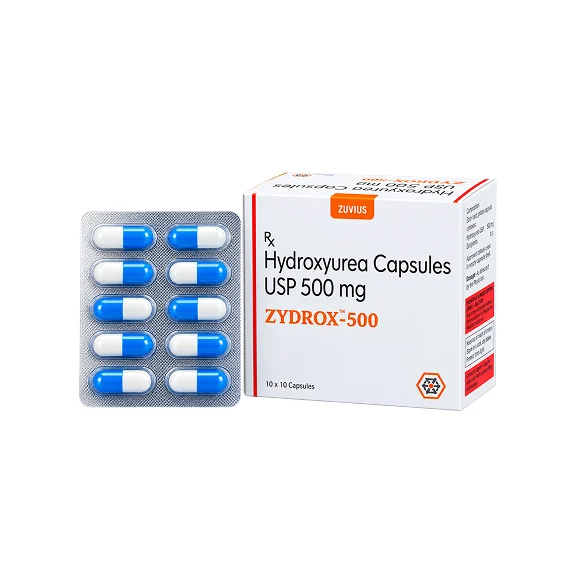
| Product/Composition | Hydroxyurea Tablets |
|---|---|
| Strength | 500mg |
| Form | Tablets |
| Production Capacity | 10 Million Tablets/Month |
| Packaging | 1 X 10 Tablets / Box |
| Therapeutic use | Anti Cancer |
| Package Insert/Leaflet | Available upon request |
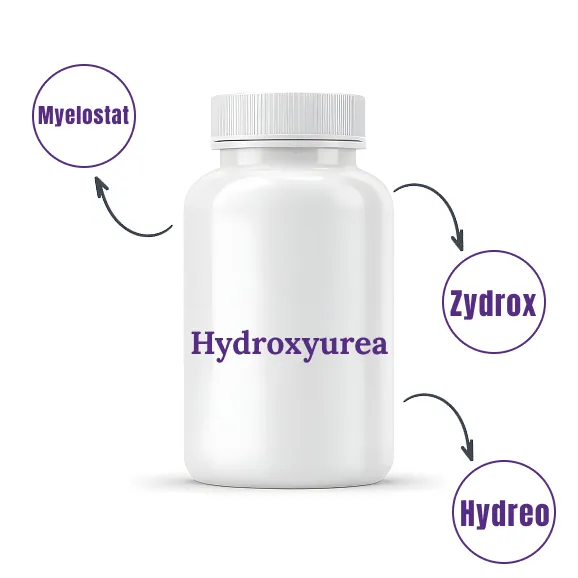
| Brand Name | Myelostat, Zydrox, Hydreo |
Hydroxyurea Tablets are a medicine used to treat certain blood disorders and cancers. They belong to a class of drugs called antineoplastic (chemotherapy) and antimetabolite agents.
Here are the key details:
-
Composition: Each tablet contains Hydroxyurea, commonly in strengths such as 500 mg or 1000 mg.
-
Dosage Form: Oral tablets, usually taken once daily or as prescribed by a doctor, with or without food.
-
Mode of Action:
-
Hydroxyurea interferes with DNA synthesis by inhibiting the enzyme ribonucleotide reductase.
-
This slows the growth and division of rapidly dividing cells, such as cancer cells or abnormal blood cells.
-
-
Uses:
-
Chronic myeloid leukemia (CML) and other types of leukemia.
-
Polycythemia vera – to reduce excessive red blood cell production.
-
Sickle cell anemia – to reduce the frequency of painful crises and need for blood transfusions.
-
Occasionally used in other cancers or blood disorders as prescribed by a doctor.
-
-
Treatment Goal: To control abnormal cell growth, manage blood cell counts, and reduce complications related to certain cancers or blood disorders.
-
Side Effects:
-
Common: nausea, vomiting, loss of appetite, diarrhea, mild hair thinning, skin rash.
-
Less common/serious: bone marrow suppression (low blood counts), increased risk of infections, mouth sores, liver or kidney function changes, allergic reactions.
-
-
Precautions:
-
Regular monitoring of blood counts, liver, and kidney function is essential.
-
Use protective measures to avoid infections due to lowered immunity.
-
Avoid pregnancy or breastfeeding during treatment; effective contraception is recommended.
-
Inform the doctor about other medications or medical conditions to prevent interactions.
-
Hydroxyurea is effective because it targets rapidly dividing cells, making it useful for managing certain cancers and blood disorders, while helping reduce complications in conditions like sickle cell anemia.