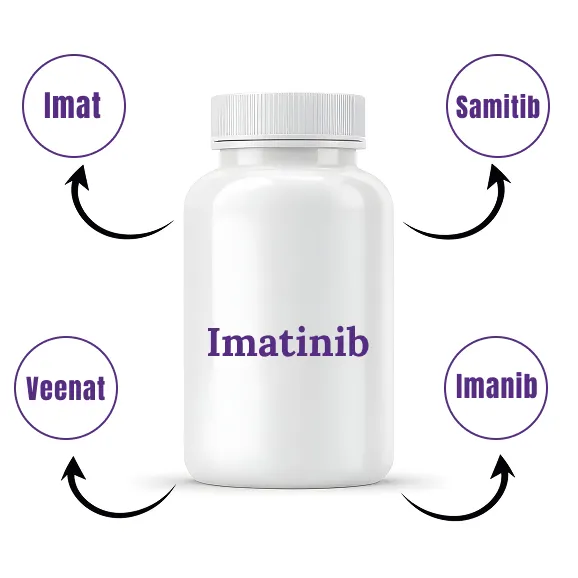
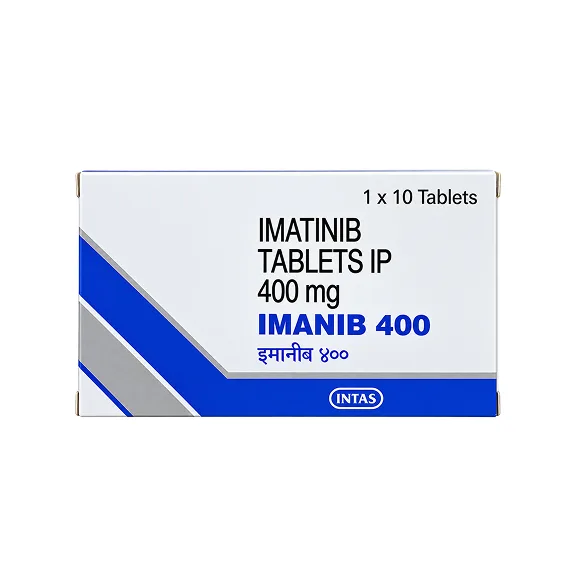
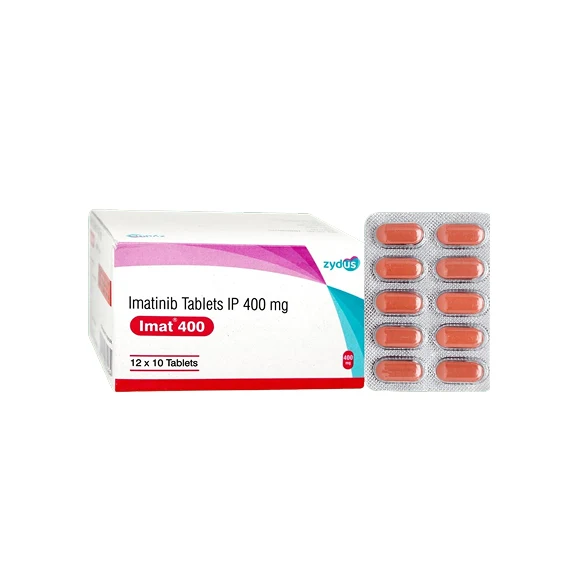
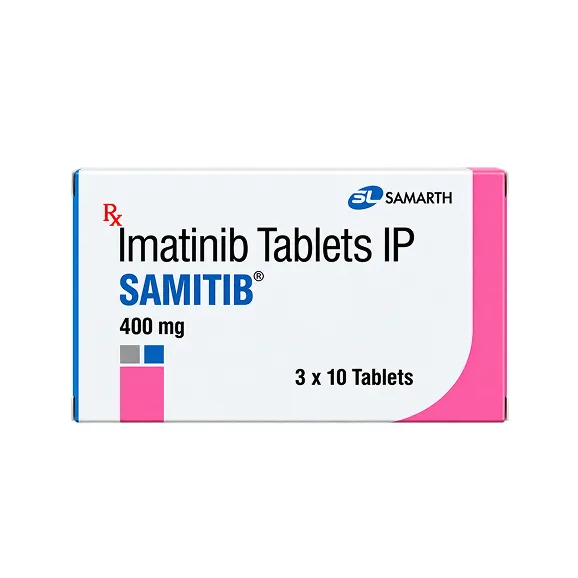
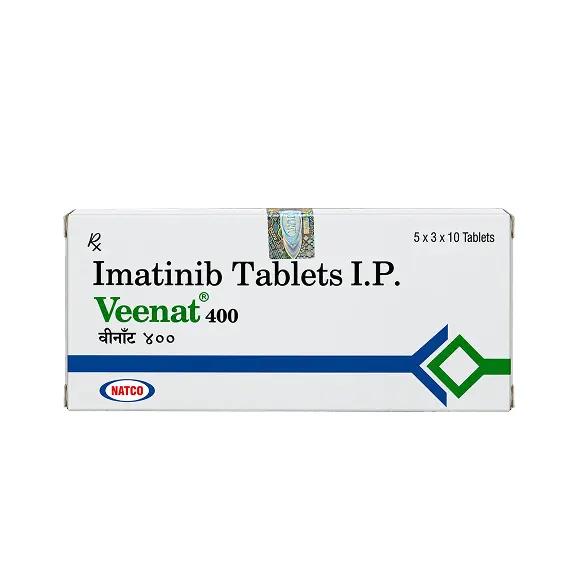
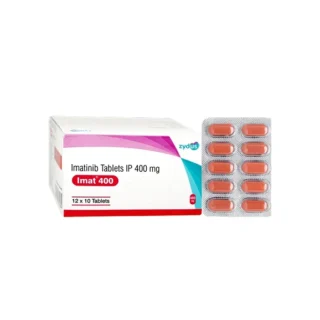
Imatinib Mesylate Tablets are an anti-cancer medicine that belong to the class of tyrosine kinase inhibitors (TKIs). They are mainly used in the treatment of certain blood cancers and solid tumors.
Key Details
-
Composition: Each tablet contains Imatinib mesylate, usually available in 100 mg and 400 mg strengths.
-
Dosage Form: Oral tablets.
How It Works
-
Imatinib blocks specific enzymes called tyrosine kinases, especially the BCR-ABL fusion protein found in chronic myeloid leukemia (CML).
-
By doing so, it stops abnormal cancer cells from growing and multiplying.
-
It also targets c-KIT and PDGF receptors, which are involved in other cancers.
Uses
-
Chronic Myeloid Leukemia (CML) – first-line treatment.
-
Acute Lymphoblastic Leukemia (ALL) that is Philadelphia chromosome-positive.
-
Gastrointestinal Stromal Tumors (GISTs).
-
Myelodysplastic and Myeloproliferative disorders.
-
Dermatofibrosarcoma protuberans (DFSP).
-
Hypereosinophilic syndrome and systemic mastocytosis (in some cases).
Side Effects
-
Common: nausea, vomiting, diarrhea, muscle cramps, fatigue, rash, swelling around eyes or ankles.
-
Less common: headache, joint pain, indigestion, weight gain.
-
Serious: low blood counts (anemia, neutropenia, thrombocytopenia), liver problems, heart failure (rare), severe fluid retention.
Precautions
-
Regular blood tests are needed to monitor blood counts and liver function.
-
Use with caution in patients with liver, kidney, or heart disease.
-
Pregnant or breastfeeding women should avoid use, as it can harm the baby.
-
Avoid grapefruit juice, as it can interfere with imatinib metabolism.
-
Dose may need adjustment if severe side effects or organ impairment occur.
Treatment Goal
To control the growth of cancer cells, improve survival, and maintain remission in blood cancers and solid tumors driven by abnormal tyrosine kinase activity.