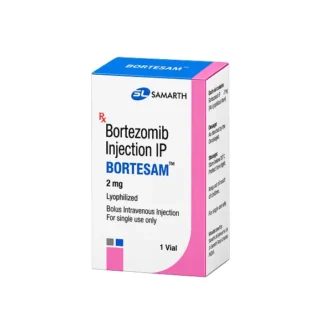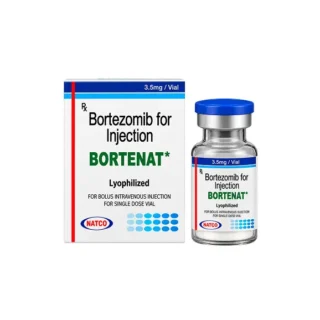
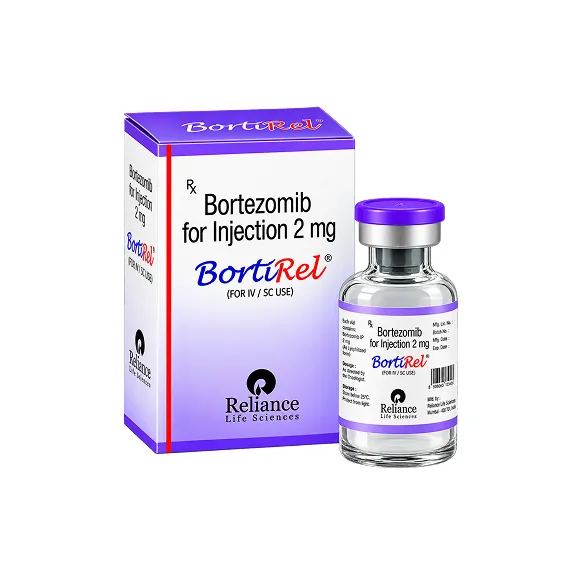
Bortezomib Bortirel
| Product/Composition | Bortezomib Injection |
|---|---|
| Strength | 2mg, 3.5mg |
| Form | Injection |
| Production Capacity | 10 Million Vials/Month |
| Packaging | 1 Vial / Box |
| Therapeutic use | Multiple Myeloma / Mantle Cell Lymphoma |
| Package Insert/Leaflet | Available upon request |
| Brand Name | Bortirel |
Bortirel contains Bortezomib, a targeted anticancer medicine belonging to the proteasome inhibitor class. Bortezomib inhibits the 26S proteasome, a cellular system responsible for controlled protein degradation. Blocking this system can lead to the accumulation of abnormal proteins within malignant cells and promote cancer-cell death.
Bortirel is primarily used in the treatment of multiple myeloma and mantle cell lymphoma in appropriate patients. It may be administered alone or in combination with other anticancer medicines according to the prescribed treatment protocol.
Because Bortezomib can cause important adverse effects, including peripheral neuropathy, thrombocytopenia, and other blood-count abnormalities, treatment requires appropriate specialist supervision and monitoring.
What is Bortezomib?
Bortezomib is a reversible proteasome inhibitor and targeted antineoplastic medicine. It blocks proteasome activity, disrupting protein regulation and cellular survival mechanisms in susceptible cancer cells.
This mechanism is particularly important in plasma-cell malignancies such as multiple myeloma, where proteasome inhibition can contribute to malignant-cell death.
Benefits / Uses of Bortirel
Bortirel (Bortezomib) may be prescribed for:
- Multiple myeloma
- Mantle cell lymphoma
- Newly diagnosed multiple myeloma as part of combination treatment
- Relapsed or previously treated disease in appropriate treatment settings
- Other specialist-directed oncology applications
The exact indication and treatment combination depend on the patient’s diagnosis, treatment history, clinical condition, and oncologist’s treatment plan.
Dosage Guidelines
Bortezomib dosing is determined according to the patient’s condition, body-surface area, treatment regimen, response, and tolerability.
Bortirel is a parenteral medicine and should be prepared and administered by appropriately trained healthcare professionals according to the approved product instructions.
Treatment is generally given on specified days within repeating treatment cycles. Dose reduction, interruption, or schedule modification may be required when clinically significant toxicity occurs.
Patients should:
- Receive Bortirel only according to the prescribed oncology protocol.
- Follow the treatment schedule established by their healthcare professional.
- Attend recommended blood tests and clinical assessments.
- Report numbness, tingling, weakness, fever, unusual bleeding, or other significant symptoms.
- Never change the dose or treatment frequency independently.
Wholesale & Supply
Onco India International can support bulk and wholesale pharmaceutical requirements for Bortezomib products such as Bortirel, subject to product availability, applicable regulations, and destination-country requirements.
Distributors, hospitals, pharmaceutical companies, oncology centers, and international buyers can contact the company for product specifications, packaging information, quotations, and supply arrangements.
Buying Bortirel Online
Bortirel should be sourced through legitimate and authorized pharmaceutical channels. Bortezomib is a prescription anticancer medicine and should be prepared and administered only by qualified healthcare professionals.
For wholesale and international requirements, buyers should verify product specifications, documentation, storage conditions, packaging, availability, and applicable import/export regulations.
Reviews
Individual responses to Bortezomib vary depending on the cancer type, treatment combination, dose, treatment cycle, and overall health status.
Some patients may experience fatigue, gastrointestinal symptoms, peripheral neuropathy, or changes in blood-cell counts. Individual experiences should not replace professional oncology assessment and monitoring.
Quality Assurance
Quality-assured Bortezomib products should be manufactured and packaged according to applicable pharmaceutical quality standards. Quality-control procedures may include raw-material testing, in-process controls, finished-product testing, sterility-related testing where applicable, packaging verification, and batch documentation.
Storage, reconstitution, and administration should follow the approved product information and applicable pharmaceutical requirements.
Frequently Asked Questions
What is Bortirel used for?
Bortirel contains Bortezomib and is primarily used in the treatment of multiple myeloma and mantle cell lymphoma in appropriate patients.
What type of medicine is Bortezomib?
Bortezomib is a proteasome inhibitor and targeted antineoplastic medicine.
How does Bortirel work?
Bortirel inhibits the proteasome, disrupting the normal breakdown of cellular proteins. This can lead to abnormal protein accumulation and promote the death of susceptible cancer cells.
Is Bortezomib a chemotherapy medicine?
Bortezomib is an anticancer medicine classified as a targeted proteasome inhibitor. It is commonly incorporated into chemotherapy-based treatment regimens for multiple myeloma and selected lymphomas.
How is Bortirel administered?
Bortezomib is administered parenterally by appropriately trained healthcare professionals. The route and schedule depend on the formulation and prescribed treatment protocol.
What are the common side effects of Bortezomib?
Possible adverse effects include peripheral neuropathy, fatigue, nausea, diarrhea or constipation, thrombocytopenia, anemia, and other blood-count abnormalities. Serious adverse effects can also occur.
Does Bortirel require medical monitoring?
Yes. Monitoring may include blood counts, assessment of peripheral neuropathy, liver and kidney function, and other clinical parameters appropriate to the treatment regimen.
Can Bortirel be used without medical supervision?
No. Bortezomib requires specialist supervision because its dosing, administration, treatment schedule, and potential toxicities require careful management.
Conclusion
Bortirel (Bortezomib) is a targeted proteasome inhibitor used primarily for multiple myeloma and mantle cell lymphoma. By inhibiting proteasome activity and disrupting protein degradation within malignant cells, Bortezomib can promote cancer-cell death and help control disease. Because treatment requires precise dosing, appropriate administration, and monitoring for adverse effects such as peripheral neuropathy and cytopenias, Bortirel should be used under qualified oncology supervision.