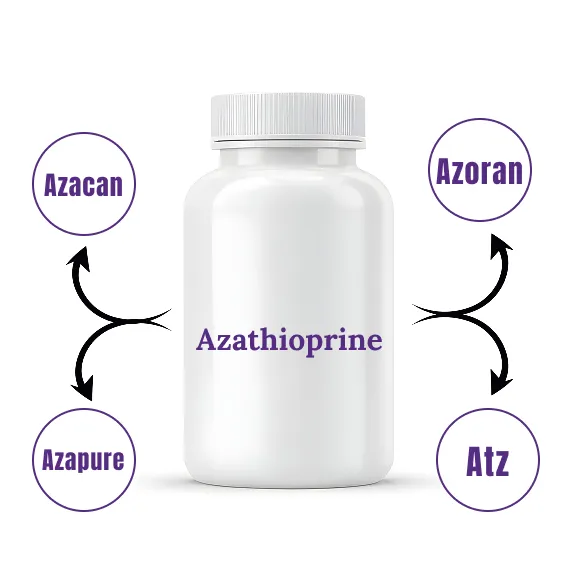
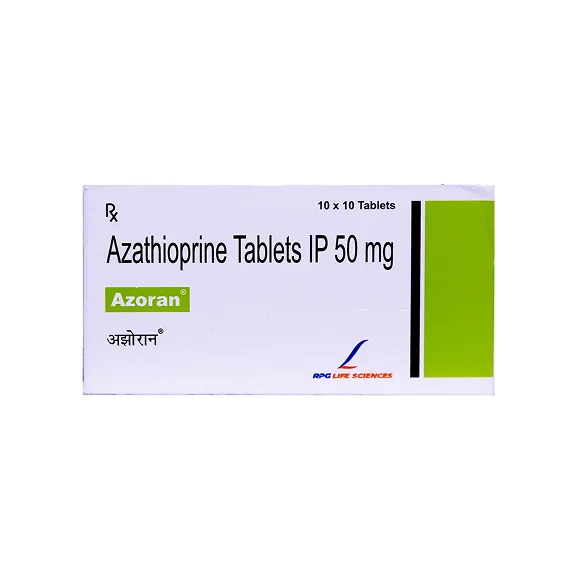
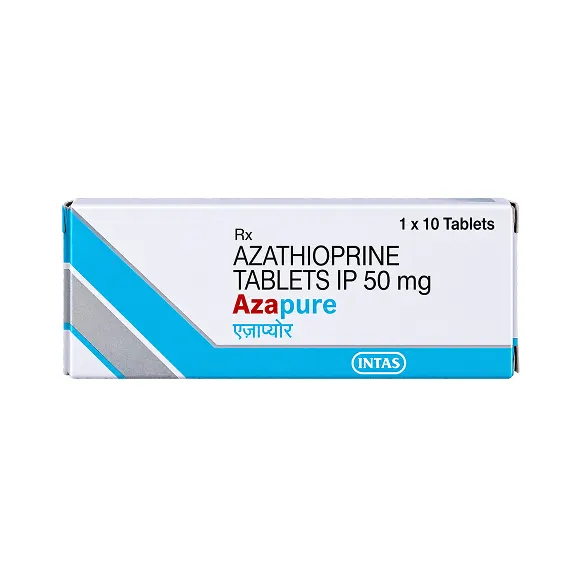
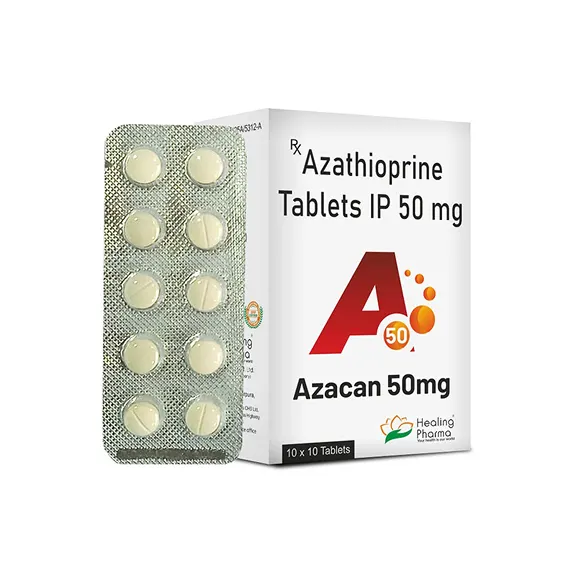
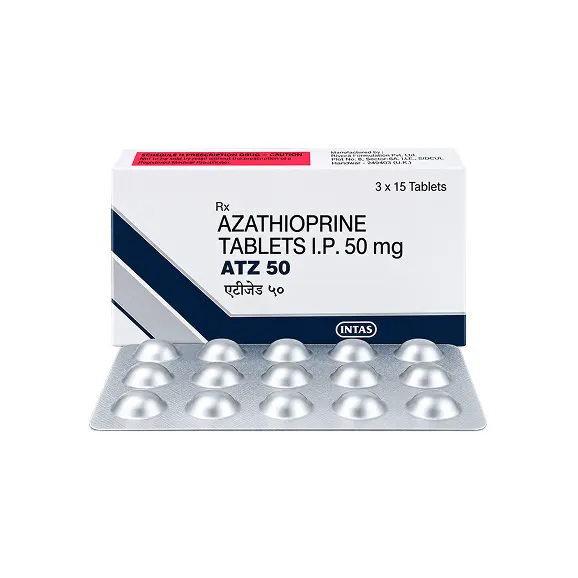
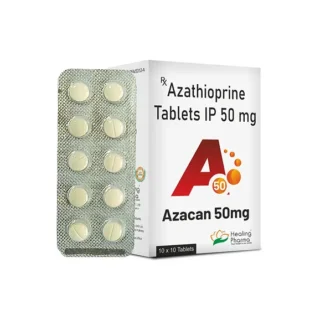
Azathioprine Injection

Product/Composition Azathioprine Injection
Strength 100mg
Form Injection
Production Capacity 1 Million Injection/Month
Therapeutic use Anti Cancer
Package Insert/Leaflet Available upon request

Azathioprine Injection

  • Type: Immunosuppressant medication

  • Main Ingredient: Azathioprine

  • Form: Injectable solution (usually given intravenously under medical supervision)

How It Works

  • Azathioprine is converted in the body to 6-mercaptopurine, which interferes with DNA and RNA synthesis.

  • This slows down the growth and activity of immune system cells (like lymphocytes).

  • The result is suppression of immune response, which helps prevent the immune system from attacking the body’s own tissues or rejecting transplanted organs.

Common Uses

  • Prevention of organ transplant rejection (kidney, liver, heart)

  • Autoimmune diseases, such as:

    • Rheumatoid arthritis

    • Systemic lupus erythematosus (SLE)

    • Inflammatory bowel diseases (Crohn’s disease, ulcerative colitis)

    • Autoimmune hepatitis

  • Used when oral azathioprine cannot be taken or when rapid effect is required.

Advantages

  • Effective long-term immunosuppressant

  • Can reduce or eliminate the need for corticosteroids in autoimmune conditions

  • Intravenous form allows use in patients who cannot take oral medications

Possible Side Effects

  • Bone marrow suppression (low white blood cells, anemia, low platelets)

  • Increased risk of infections

  • Nausea, vomiting

  • Liver toxicity (elevated liver enzymes, rare hepatitis)

  • Hair loss (rare, usually reversible)

  • Long-term use: slight increased risk of certain cancers (like lymphoma, skin cancer)

Precautions

  • Requires regular blood tests to monitor blood counts and liver function

  • Avoid use in patients with severe bone marrow suppression

  • Increased caution in patients with liver problems

  • Should not be used in pregnancy unless clearly necessary (risk vs. benefit considered)

  • Avoid live vaccines during treatment, as immune response may be suppressed