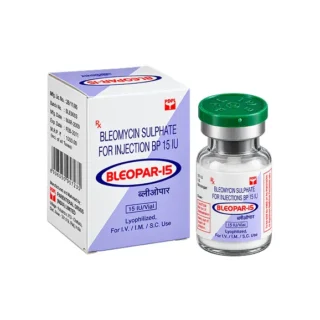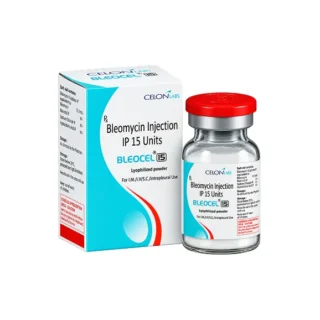
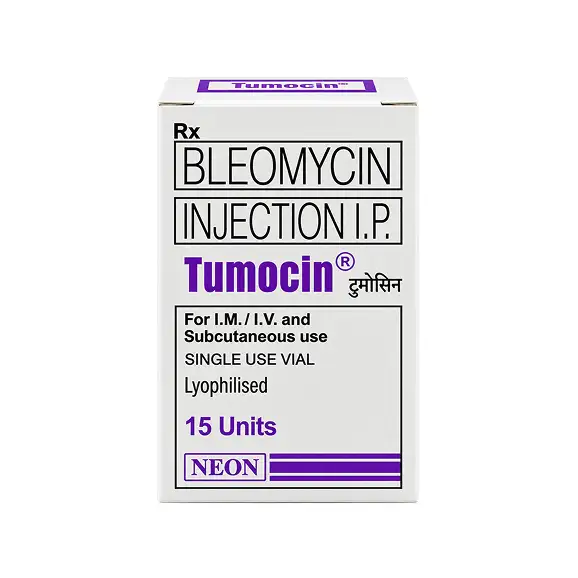
Bleomycin Tumocin
| Product/Composition | Bleomycin Injection |
|---|---|
| Strength | 50mg |
| Form | Injection |
| Production Capacity | 10 Million Vials/Month |
| Packaging | 1 Vial / Box |
| Therapeutic use | Hodgkin Lymphoma / Non-Hodgkin Lymphoma / Testicular Cancer / Squamous Cell Carcinoma |
| Package Insert/Leaflet | Available upon request |
| Brand Name | Tumocin |
Tumocin contains Bleomycin, a cytotoxic antineoplastic medicine belonging to the glycopeptide antibiotic class. Bleomycin works by generating free radicals that damage the DNA of cancer cells, interfering with their ability to grow and divide.
Tumocin is used as part of specific chemotherapy regimens for selected malignancies, including Hodgkin lymphoma, non-Hodgkin lymphoma, testicular cancer, and certain squamous cell carcinomas. Bleomycin may also be used in selected cases for the management of malignant pleural effusion.
As an injectable anticancer medicine, Tumocin should be administered under qualified medical supervision. Particular attention is given to pulmonary toxicity, which is an important potential complication of Bleomycin therapy.
What is Bleomycin?
Bleomycin is a glycopeptide antineoplastic antibiotic with cytotoxic activity. It causes DNA strand damage through the formation of reactive oxygen species, which can interfere with cancer-cell replication and survival.
Bleomycin is generally administered by injection and is commonly incorporated into combination chemotherapy protocols for selected cancers.
Benefits / Uses of Tumocin
Tumocin (Bleomycin) may be prescribed for:
- Hodgkin lymphoma
- Non-Hodgkin lymphoma
- Testicular cancer
- Selected squamous cell carcinomas
- Selected cases of malignant pleural effusion
- Other specialist-directed oncology indications
The exact indication and treatment regimen depend on the patient’s diagnosis, disease stage, chemotherapy protocol, and clinical condition.
Dosage Guidelines
Bleomycin dosing is highly dependent on the specific cancer, treatment protocol, body weight or body-surface area, cumulative exposure, and organ function.
Tumocin should be administered by a healthcare professional according to the prescribed oncology regimen.
Patients should:
- Receive Tumocin only under qualified medical supervision.
- Follow the prescribed chemotherapy schedule.
- Complete recommended blood tests and clinical assessments.
- Inform their healthcare team about previous or existing lung problems.
- Report new or worsening cough, shortness of breath, or other respiratory symptoms promptly.
Cumulative Bleomycin exposure is an important consideration because the risk of pulmonary toxicity can increase with treatment.
Wholesale & Supply
Onco India International can support bulk and wholesale pharmaceutical requirements for Bleomycin products such as Tumocin, subject to product availability, applicable regulations, and destination-country requirements.
Distributors, hospitals, pharmaceutical companies, oncology centers, and international buyers can contact the company for product specifications, packaging details, quotations, and supply arrangements.
Buying Tumocin Online
Tumocin should be sourced through legitimate and authorized pharmaceutical channels. Bleomycin is a prescription injectable anticancer medicine and should only be administered by qualified healthcare professionals.
For wholesale and international requirements, buyers should verify product specifications, documentation, storage conditions, packaging, availability, and applicable import/export regulations.
Reviews
Individual experiences with Bleomycin vary according to the cancer type, treatment combination, dose, cumulative exposure, and overall health status.
Some patients may experience fever, chills, fatigue, or skin and mucosal reactions. Because Bleomycin can cause serious pulmonary toxicity, individual experiences should not replace professional medical assessment and monitoring.
Quality Assurance
Quality-assured Bleomycin products should be manufactured and packaged according to applicable pharmaceutical quality standards. Quality-control procedures may include raw-material testing, in-process controls, sterility-related testing, finished-product testing, packaging verification, and batch documentation.
Storage, reconstitution, and handling should follow the approved product information and applicable pharmaceutical requirements.
Frequently Asked Questions
What is Tumocin used for?
Tumocin contains Bleomycin and may be used as part of chemotherapy regimens for Hodgkin lymphoma, non-Hodgkin lymphoma, testicular cancer, and selected squamous cell carcinomas.
What type of medicine is Bleomycin?
Bleomycin is a glycopeptide antineoplastic antibiotic and cytotoxic chemotherapy medicine.
How does Tumocin work?
Tumocin generates reactive oxygen species that can damage DNA within cancer cells, interfering with their replication and survival.
Is Bleomycin a chemotherapy medicine?
Yes. Bleomycin is a cytotoxic chemotherapy medicine used in specific cancer-treatment protocols.
How is Tumocin administered?
Tumocin is an injectable medicine administered by a qualified healthcare professional according to the prescribed treatment protocol.
What are the common side effects of Bleomycin?
Possible adverse effects include fever, chills, fatigue, skin changes, mucosal reactions, and other chemotherapy-related effects. An important serious risk is pulmonary toxicity, which may include pneumonitis and pulmonary fibrosis.
Does Tumocin require lung monitoring?
Yes. Because Bleomycin can cause pulmonary toxicity, healthcare professionals may monitor respiratory symptoms and assess lung function when clinically appropriate.
Can Tumocin be used without medical supervision?
No. Bleomycin requires specialist supervision because its dosing, cumulative exposure, and potential toxicities require careful management.
Conclusion
Tumocin (Bleomycin) is a cytotoxic glycopeptide antibiotic used as part of specific chemotherapy regimens for several malignancies. It works primarily by damaging cancer-cell DNA and is used particularly in selected lymphoma, testicular cancer, and squamous-cell carcinoma treatment protocols. Because pulmonary toxicity and other serious adverse effects are possible, Tumocin should be administered under appropriate oncology supervision with recommended monitoring.