

Busulfan Tablets
| Product/Composition | Busulfan Tablets |
|---|---|
| Strength | 2mg, 4mg |
| Form | Tablets |
| Production Capacity | 10 Million Tablets/Month |
| Therapeutic use | Anti Cancer |
| Package Insert/Leaflet | Available upon request |
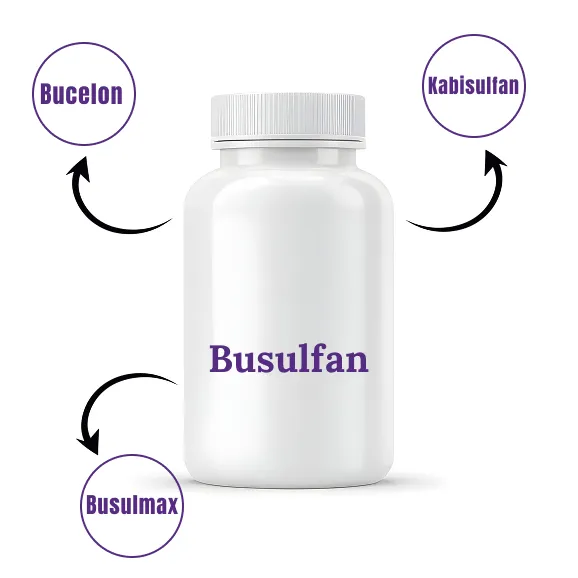
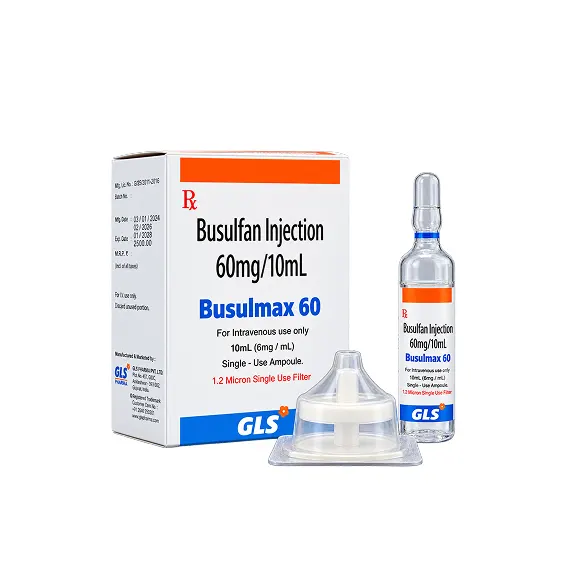
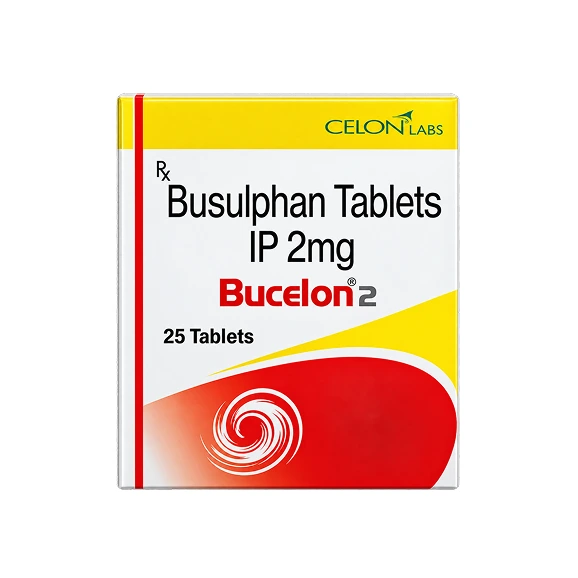
| Brand Name | Bucelon, Kabisulfan, Busulmax |
Busulfan Tablets
Category: Alkylating agent (chemotherapy drug)
Form: Oral tablets
Uses:
-
Traditionally used in the treatment of chronic myeloid leukemia (CML), especially before the advent of targeted therapies.
-
Still used in some conditioning regimens prior to bone marrow or stem cell transplantation, often in combination with other agents.
Mechanism of Action:
-
Busulfan is a cell cycle–nonspecific alkylating agent.
-
It causes cross-linking of DNA strands, interfering with DNA replication and transcription.
-
This leads to apoptosis (cell death) of rapidly dividing malignant cells, particularly in bone marrow.
Administration:
-
Given orally, with dosage adjusted according to patient weight, blood counts, and treatment purpose.
-
Treatment cycles may vary (short-term high dose vs. long-term low dose).
Side Effects:
-
Hematologic: bone marrow suppression (anemia, leukopenia, thrombocytopenia).
-
Gastrointestinal: nausea, vomiting, diarrhea, loss of appetite.
-
Other common: skin darkening, fatigue, mouth sores.
-
Serious: pulmonary fibrosis (“busulfan lung”), seizures (especially at high doses), hepatic veno-occlusive disease, infertility.
Precautions:
-
Requires regular blood count monitoring to adjust dose and prevent severe myelosuppression.
-
Prophylactic anticonvulsants may be given during high-dose therapy to prevent seizures.
-
Careful monitoring of liver and lung function is essential.
-
Avoid in pregnancy and breastfeeding due to teratogenic and toxic effects.
Summary:
Busulfan Tablets are an alkylating chemotherapy drug used in the treatment of chronic myeloid leukemia and as part of conditioning therapy before bone marrow transplantation. It works by cross-linking DNA to stop cancer cell growth. While effective, it can cause bone marrow suppression, lung toxicity, seizures, and liver complications, requiring close monitoring throughout treatment.