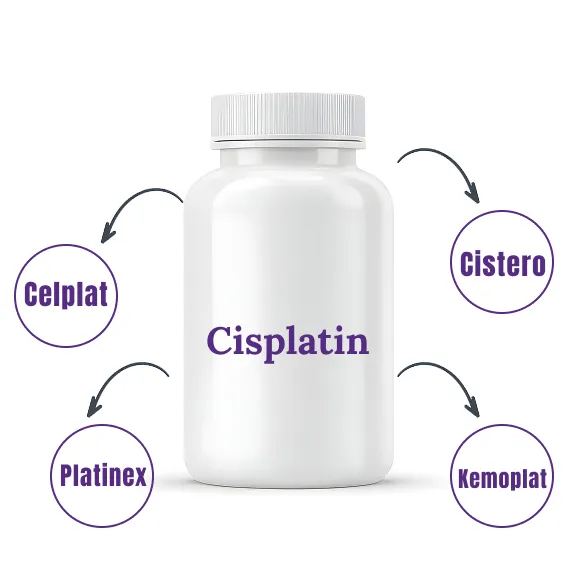
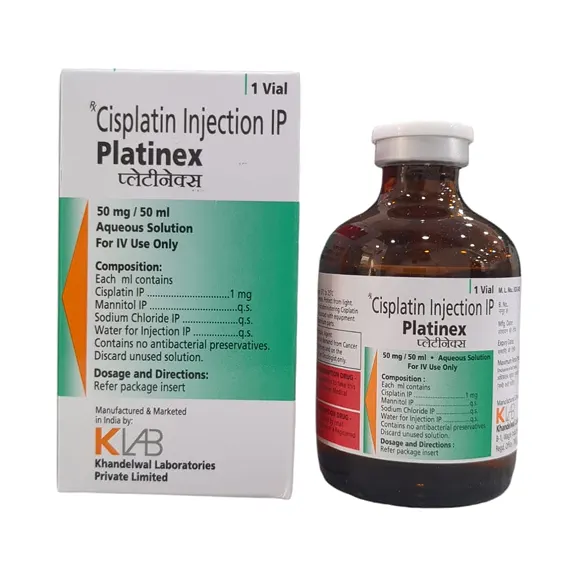
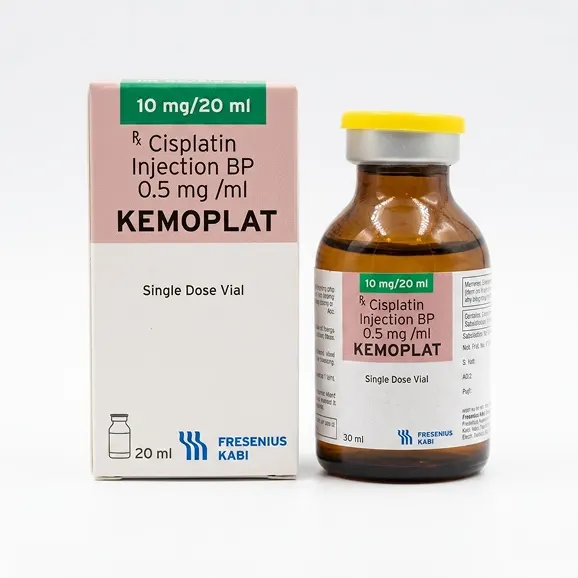
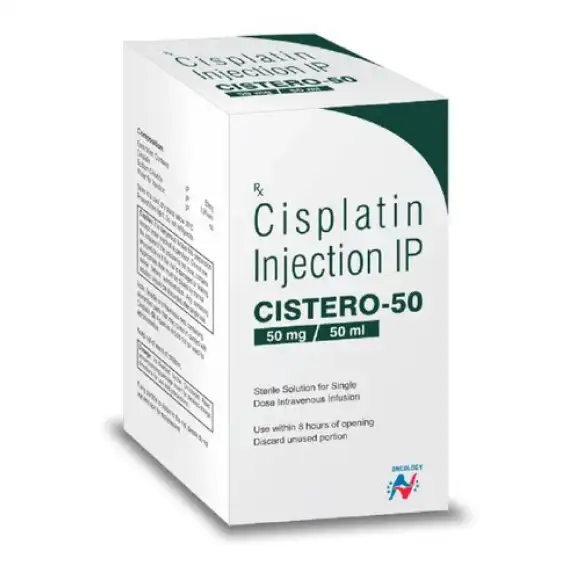
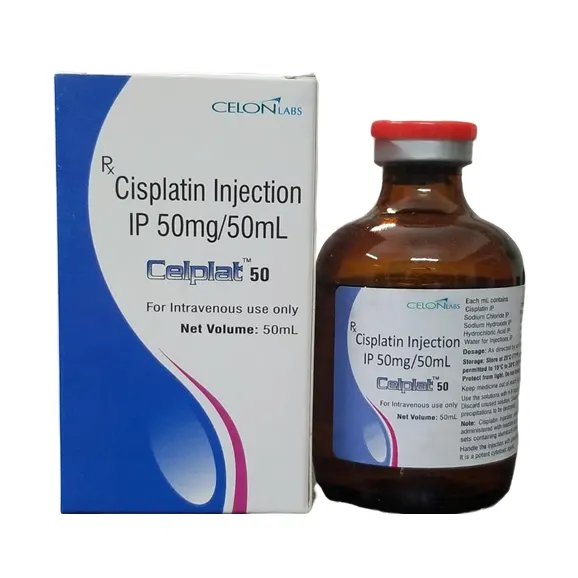
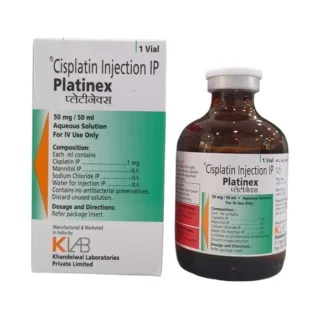
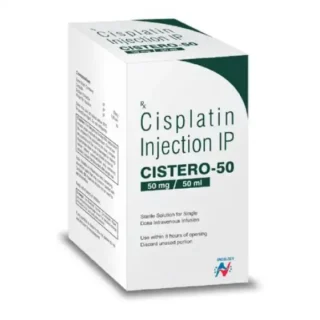
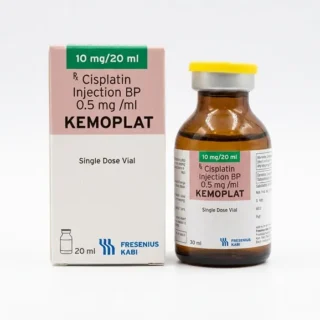
Cisplatin Injection
-
Type: Chemotherapy medication
-
Drug Class: Platinum-based antineoplastic (alkylating-like agent)
-
Form: Sterile solution for intravenous (IV) infusion
How It Works
-
Cisplatin works by binding to DNA inside cancer cells and forming cross-links.
-
This prevents the DNA from replicating and dividing, which leads to cell death.
-
It is most effective against rapidly dividing cancer cells.
Common Uses
Cisplatin is used to treat several types of cancer, including:
-
Testicular cancer (often part of combination therapy, very high cure rates)
-
Ovarian cancer
-
Bladder cancer
-
Lung cancer (small cell and non-small cell)
-
Head and neck cancers
-
Cervical cancer
-
Other solid tumors as part of chemotherapy regimens
Advantages
-
Highly effective against certain cancers, especially testicular cancer
-
Often used in combination with other chemotherapy drugs for better outcomes
-
Can shrink tumors before surgery or radiation (neoadjuvant use) or after (adjuvant use)
Possible Side Effects
Cisplatin has important side effects, so it must be given under close medical supervision:
-
Kidney toxicity (nephrotoxicity – requires IV hydration before/after dose)
-
Nausea and vomiting (can be severe, but controlled with antiemetics)
-
Hearing loss (ototoxicity – ringing in ears or reduced hearing, especially at high doses)
-
Bone marrow suppression (low white cells, platelets, anemia)
-
Nerve damage (numbness, tingling in hands/feet – peripheral neuropathy)
-
Low magnesium, potassium, or calcium levels
-
Hair loss (milder compared to some other chemo drugs)
Precautions
-
Kidney function must be checked before and during treatment
-
Adequate IV hydration is essential to protect the kidneys
-
Hearing tests may be done in patients receiving multiple cycles
-
Blood counts monitored regularly to detect bone marrow suppression
-
Use with caution in patients with pre-existing kidney, hearing, or nerve problems