-
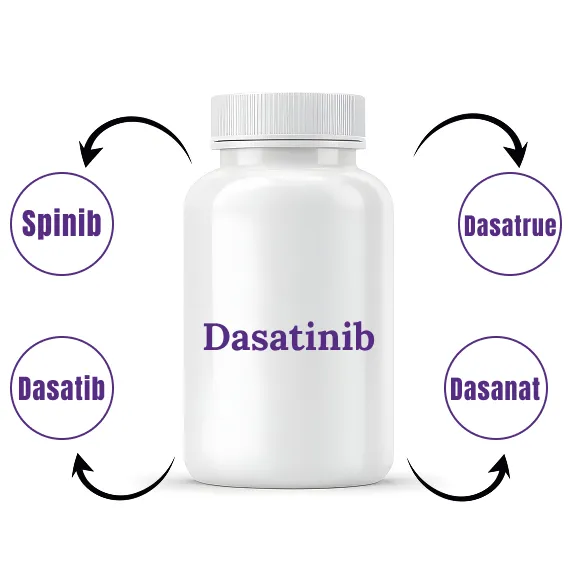
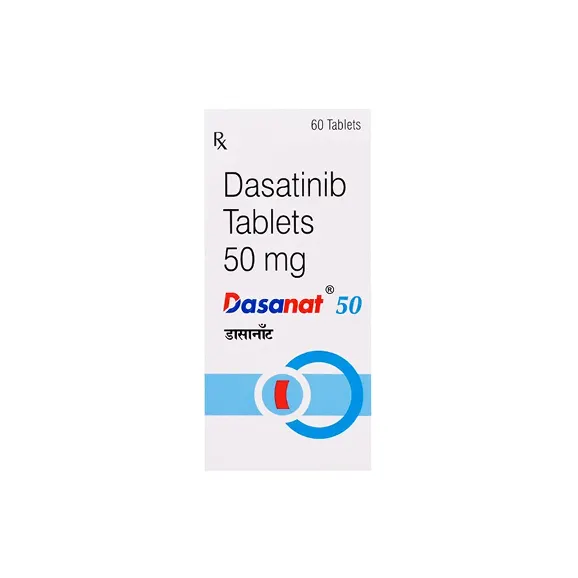
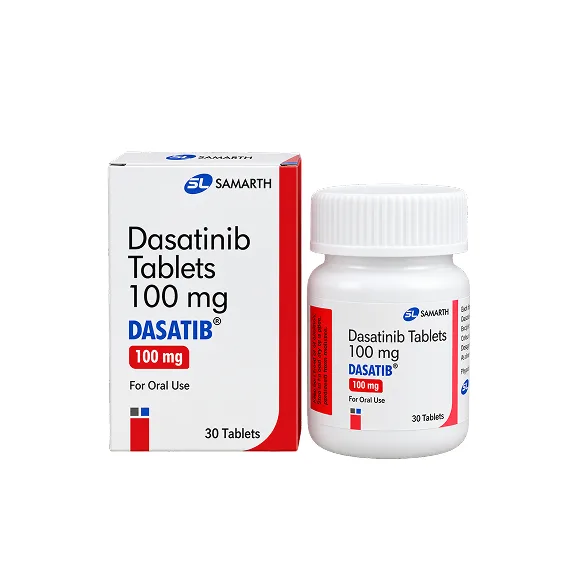
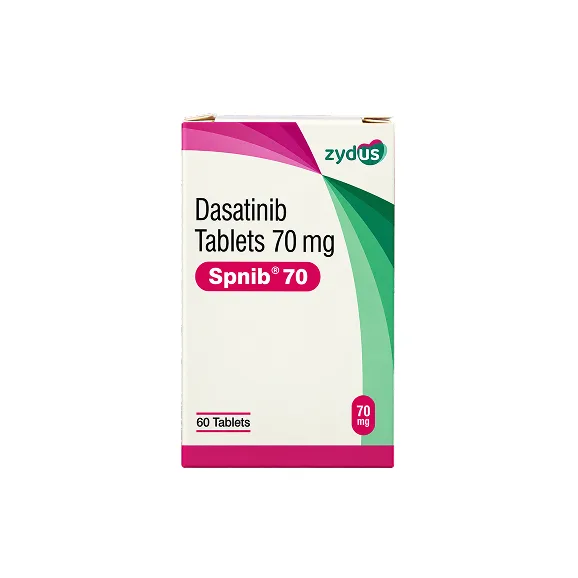
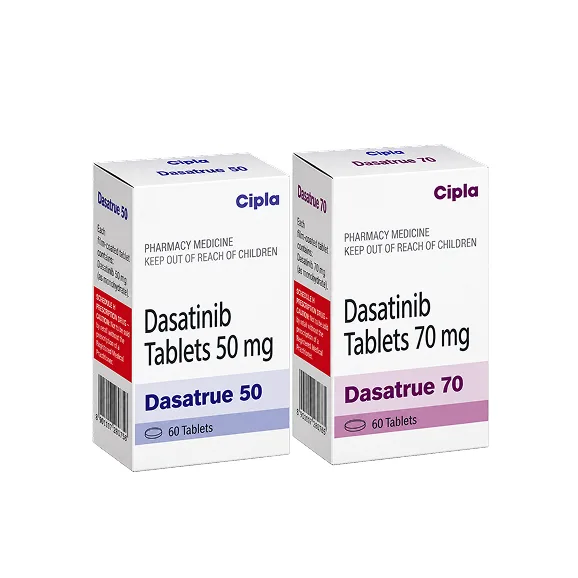
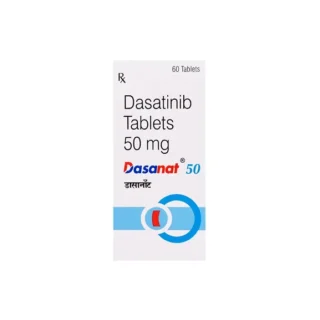
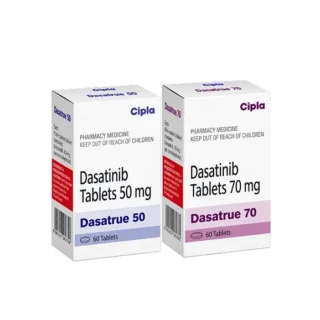
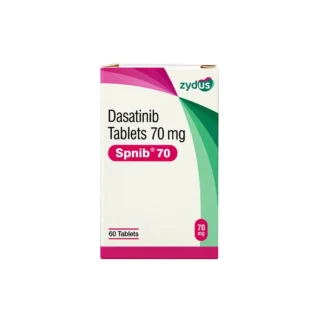
Composition: Each tablet contains Dasatinib as the active ingredient, available in strengths such as 20 mg, 50 mg, 70 mg, 80 mg, 100 mg, and 140 mg.
-
Dosage Form: Film-coated tablets, taken orally.
-
Mode of Action: Dasatinib works by inhibiting abnormal proteins called BCR-ABL tyrosine kinases, which are produced by the Philadelphia chromosome mutation. These abnormal proteins drive the uncontrolled growth of white blood cells in certain leukemias. By blocking these kinases, Dasatinib helps control cancer cell growth and survival.
-
Uses:
-
Chronic Myeloid Leukemia (CML), especially Philadelphia chromosome-positive (Ph+ CML).
-
Acute Lymphoblastic Leukemia (ALL) with Philadelphia chromosome positivity (Ph+ ALL).
-
Sometimes used in patients resistant or intolerant to prior treatments like imatinib.
-
Treatment Goal: To reduce abnormal white blood cell counts, achieve hematologic and cytogenetic remission, and improve survival in leukemia patients.
-
Side Effects:
-
Common: fluid retention, swelling, headache, fatigue, nausea, diarrhea, rash, cough.
-
Serious: pleural effusion (fluid in lungs), bleeding problems, low blood cell counts, heart rhythm issues, pulmonary arterial hypertension.
-
Precautions:
-
Regular monitoring of blood counts is required.
-
Caution in patients with heart or lung problems.
-
Avoid grapefruit or grapefruit juice, as it can interfere with drug metabolism.
-
Not recommended during pregnancy or breastfeeding.