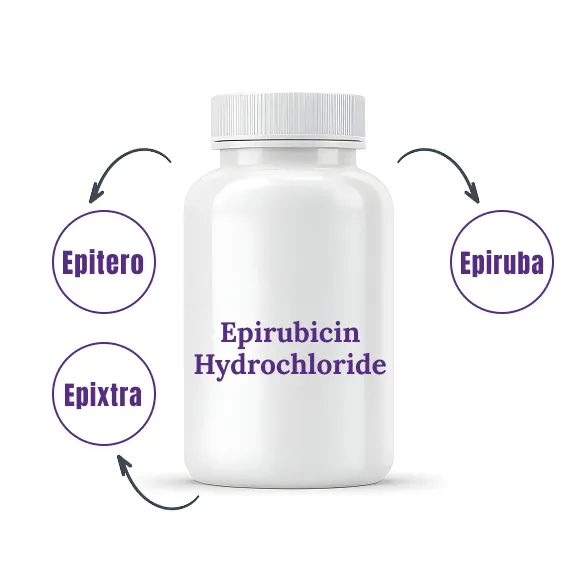
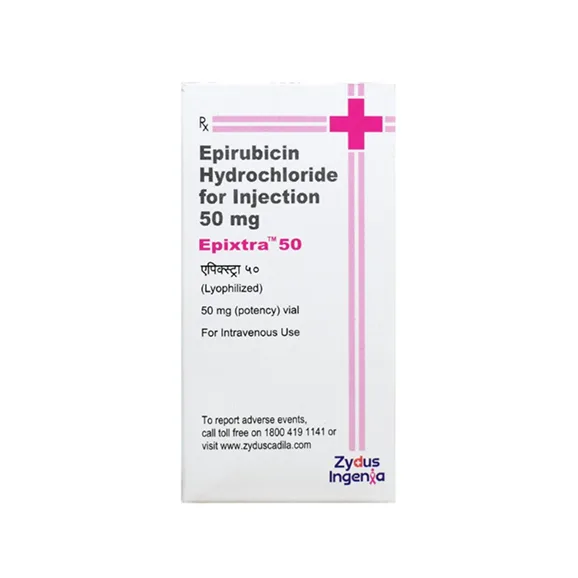
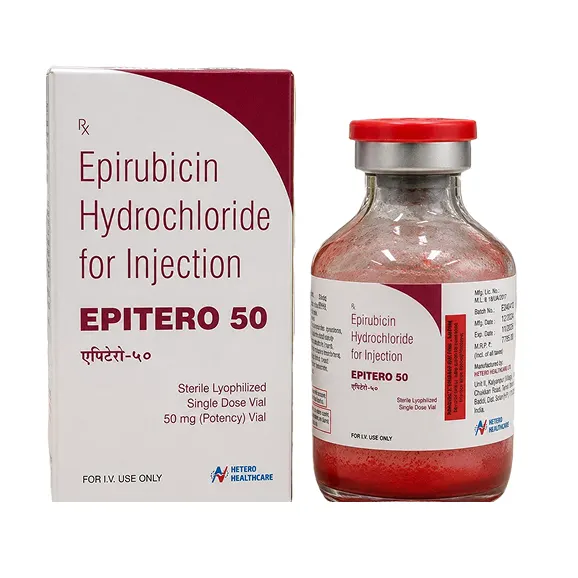
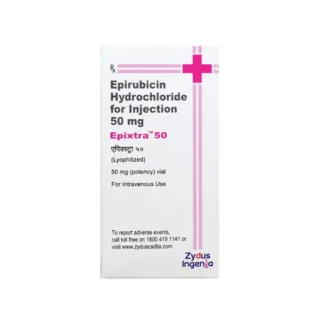
Epirubicin Hydrochloride Injection
-
Type: Chemotherapy medication
-
Drug Class: Anthracycline antineoplastic agent
-
Form: Sterile solution for intravenous (IV) administration
How It Works
Common Uses
Epirubicin is used to treat several types of cancer, including:
-
Breast cancer (often as part of combination chemotherapy regimens like FEC)
-
Ovarian cancer
-
Stomach (gastric) cancer
-
Lung cancer (small cell or non-small cell, in combination regimens)
-
Bladder cancer (can also be used intravesically for superficial bladder tumors)
Advantages
-
Slightly less cardiotoxic than doxorubicin (its close relative), allowing higher cumulative doses
-
Effective as part of adjuvant chemotherapy to reduce cancer recurrence risk
-
Can be used in both early and advanced cancers
Possible Side Effects
Common:
-
Hair loss (alopecia)
-
Nausea, vomiting
-
Fatigue
-
Low blood counts (neutropenia, anemia, thrombocytopenia)
-
Mouth sores (mucositis)
-
Red/orange discoloration of urine (temporary)
Serious but Less Common:
-
Heart toxicity (cardiomyopathy, heart failure) at high cumulative doses
-
Severe bone marrow suppression leading to infections
-
Liver function abnormalities
-
Extravasation risk – leakage outside the vein can cause severe tissue damage
Precautions
-
Heart function should be checked before and during treatment (echocardiogram or MUGA scan)
-
Dose adjustments needed for patients with liver impairment
-
Avoid live vaccines during treatment (immune suppression risk)
-
Administer via a well-functioning IV line to prevent tissue damage