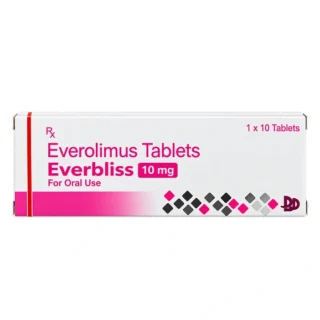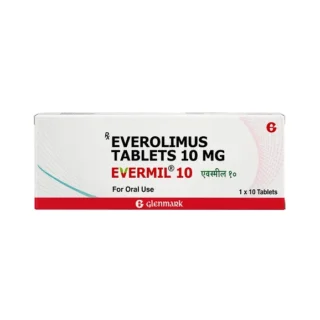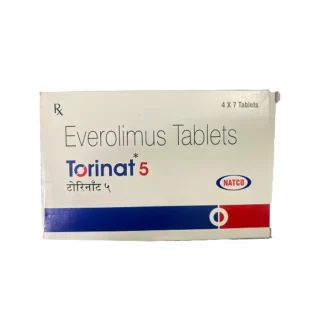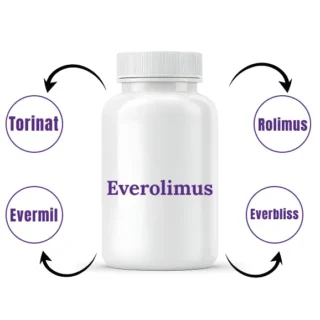
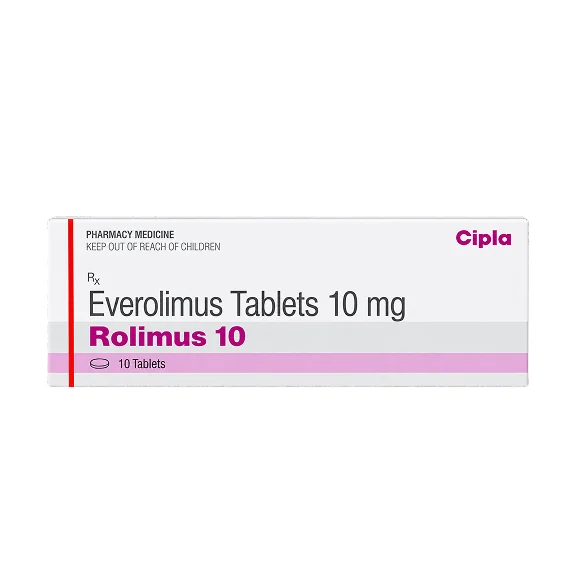
Everolimus Rolimus
| Product/Composition | Everolimus Tablets |
|---|---|
| Strength | 0.5mg, 0.25mg, 0.75mg, 2.5mg, 5mg, 7.5mg, 10mg |
| Form | Tablet |
| Production Capacity | 10 Million Tablets/Month |
| Packaging | 10 X 10 Tablets / Box |
| Therapeutic use | Oncology / Anti-Cancer |
| Package Insert/Leaflet | Available upon request |
| Brand Name | Rolimus |
Rolimus contains Everolimus, a targeted anticancer medicine belonging to the mTOR inhibitor class. Everolimus works by inhibiting the mammalian target of rapamycin (mTOR) pathway, which plays an important role in cell growth, proliferation, metabolism, and angiogenesis.
Rolimus may be used as part of treatment for certain cancers and tumors, depending on the specific indication, formulation, and treatment protocol. It is a prescription medicine and should be used under the supervision of a qualified oncologist or specialist.
What is Everolimus?
Everolimus is an mTOR (mechanistic target of rapamycin) inhibitor and targeted antineoplastic agent. By inhibiting the mTOR pathway, it can reduce signals involved in cancer-cell growth and proliferation.
Everolimus is used in several oncology settings, including certain cases of hormone receptor-positive, HER2-negative advanced breast cancer, advanced renal cell carcinoma, and pancreatic or other neuroendocrine tumors, depending on the approved indication and treatment regimen. It is also used in certain non-oncology conditions, but those uses depend on the specific formulation and indication.
Benefits and Uses of Rolimus
Rolimus (Everolimus) may provide therapeutic benefits in the management of specific conditions when prescribed by a specialist.
Key therapeutic uses include:
- Treatment of certain advanced breast cancers
- Management of selected cases of advanced renal cell carcinoma
- Treatment of certain neuroendocrine tumors
- Inhibition of the mTOR signaling pathway involved in tumor growth
- May help slow cancer-cell proliferation in appropriate treatment settings
- Can be used in combination with other medicines according to the prescribed oncology regimen
The exact indication and combination therapy depend on the patient’s diagnosis, previous treatment, and clinical condition.
Dosage Guidelines
The dosage of Everolimus varies according to the indication, formulation, combination therapy, and individual patient factors.
- Take Rolimus exactly as prescribed by the treating physician.
- It is generally taken orally once daily in oncology regimens.
- Tablets should generally be swallowed whole with water unless the specific formulation allows another method of administration.
- Take it consistently with regard to food because food can affect Everolimus exposure.
- Do not change the dose or stop treatment without consulting the treating physician.
- If a dose is missed, follow the instructions provided by the healthcare professional or product information.
Because Everolimus can cause significant adverse effects and drug interactions, regular medical monitoring may be required.
Wholesale & Supply
Onco India International can support wholesale and bulk pharmaceutical supply of Rolimus (Everolimus) for eligible markets and business requirements.
Bulk supply may be suitable for:
- Pharmaceutical distributors
- Hospitals and healthcare institutions
- Oncology-focused distributors
- International pharmaceutical buyers
- Exporters and importers
- Licensed healthcare procurement organizations
Availability, packaging, minimum order quantities, documentation, and export requirements may vary by market.
Buying Everolimus Online
When purchasing Rolimus or other Everolimus products, buyers should verify the manufacturer, product strength, dosage form, batch information, packaging, and applicable regulatory documentation.
For pharmaceutical procurement, purchases should be made through authorized and properly licensed pharmaceutical suppliers. Everolimus is a prescription medicine and should not be purchased or used without appropriate medical supervision.
Reviews
Individual experiences with Everolimus can vary depending on the underlying condition, treatment combination, dosage, and patient characteristics.
For professional pharmaceutical procurement, factors such as product quality, manufacturing standards, documentation, packaging integrity, and supply reliability are generally more relevant than individual patient reviews.
Quality Assurance
Quality is an important consideration for oncology medicines such as Everolimus. Pharmaceutical products should be manufactured, tested, packaged, and stored according to applicable quality and regulatory requirements.
For Rolimus, buyers can request relevant product and quality documentation, including available batch information, product specifications, certificates, and package inserts, as applicable.
Frequently Asked Questions
What is Rolimus used for?
Rolimus contains Everolimus and may be prescribed for certain advanced cancers and tumors, including selected breast cancer, renal cell carcinoma, and neuroendocrine tumor indications.
What type of medicine is Everolimus?
Everolimus is a targeted anticancer medicine classified as an mTOR inhibitor.
How does Everolimus work?
Everolimus inhibits the mTOR signaling pathway, which is involved in cellular growth, proliferation, metabolism, and other processes that can contribute to tumor development.
Is Rolimus a prescription medicine?
Yes. Everolimus is a prescription medicine and should be used under the supervision of an appropriate healthcare professional.
How is Everolimus taken?
Everolimus is generally administered orally. The exact dose and administration schedule depend on the indication and prescribed treatment regimen.
What are common side effects of Everolimus?
Possible adverse effects include mouth sores/stomatitis, rash, diarrhea, fatigue, infections, decreased blood-cell counts, increased blood glucose or lipids, and other effects. Serious adverse effects can also occur, so medical monitoring is important.
Can Everolimus interact with other medicines?
Yes. Everolimus is metabolized through CYP3A4 and is a substrate of P-glycoprotein, so several medicines can affect its concentration. The treating physician should review all medicines, supplements, and herbal products before treatment.
Can Everolimus be used during pregnancy?
Everolimus may cause fetal harm. Pregnancy and contraception considerations should be discussed with the treating physician before and during treatment.
Conclusion
Rolimus (Everolimus) is a targeted mTOR inhibitor used in several oncology treatment settings. Its ability to inhibit the mTOR pathway makes it an important therapeutic option for selected cancers and tumors.
Because Everolimus can produce significant adverse effects and interact with other medicines, treatment should be individualized and monitored by a qualified healthcare professional.