
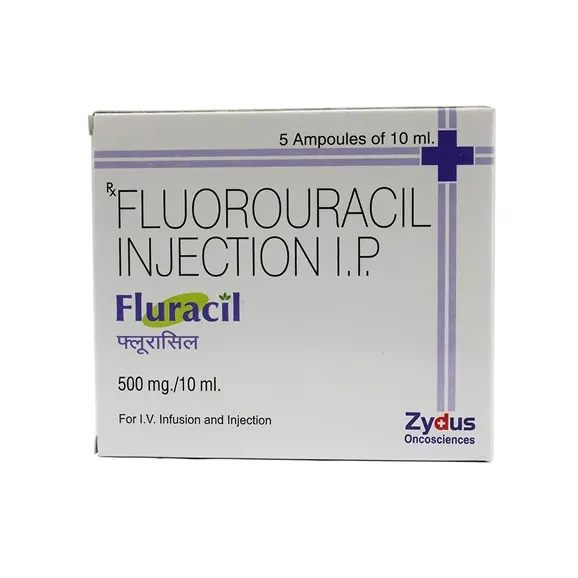
Fluorouracil Injection Fluracil
| Product/Composition | Fluorouracil Injection |
|---|---|
| Strength | 250mg, 500mg |
| Form | Injection |
| Production Capacity | 10 Million Vials/Month |
| Packaging | 1 Vial / Box |
| Therapeutic use | Colorectal, Breast & Other Solid Tumors |
| Package Insert/Leaflet | Available upon request |
| Brand Name | Fluracil |
Fluorouracil Injection – Fluracil is a cytotoxic anticancer medicine containing Fluorouracil (5-Fluorouracil / 5-FU), a pyrimidine antimetabolite used in established chemotherapy regimens for a range of solid tumors.
Fluorouracil works primarily by interfering with DNA and RNA synthesis, including inhibition of thymidylate synthase. This disrupts the growth and division of susceptible rapidly proliferating cancer cells.
Fluracil is administered by qualified healthcare professionals under the supervision of an oncologist. The dosage and treatment schedule depend on the cancer type, chemotherapy protocol, body surface area, organ function, and individual patient response.
What is Fluorouracil?
Fluorouracil is a pyrimidine antimetabolite and cytotoxic antineoplastic agent. It interferes with nucleic acid synthesis and inhibits the proliferation of susceptible cancer cells.
It may be administered intravenously as a bolus injection or infusion depending on the prescribed chemotherapy protocol and is frequently combined with other anticancer medicines.
Benefits / Uses
Fluorouracil Injection may be used as part of chemotherapy for:
- Colorectal cancer
- Breast cancer
- Gastric cancer
- Pancreatic cancer
- Head and neck cancers
- Esophageal cancer
- Anal cancer
- Other selected solid tumors
It may be incorporated into combination regimens such as those containing leucovorin, oxaliplatin, or irinotecan, according to the specific treatment protocol.
Dosage Guidelines
Fluorouracil is administered intravenously by qualified healthcare professionals.
- The dose is determined according to the malignancy and chemotherapy protocol.
- Dosing may be based on body surface area and differs between bolus and continuous-infusion regimens.
- Complete blood counts and relevant organ-function tests may be monitored during treatment.
- Dose modification or treatment interruption may be necessary in cases of significant toxicity.
- Patients with known or suspected DPD deficiency may have an increased risk of severe or life-threatening fluorouracil toxicity and require appropriate clinical assessment.
The exact dose and administration schedule should always follow the approved product information and oncologist’s instructions.
Wholesale & Supply
Fluracil – Fluorouracil Injection can be supplied for hospitals, oncology centers, pharmaceutical distributors, wholesalers, and international healthcare markets, subject to applicable regulatory requirements.
Bulk pharmaceutical buyers can request:
- Available strengths and presentations
- Packaging configuration
- Minimum order quantity
- Production and supply capacity
- Certificate of Analysis (CoA)
- Product documentation
- Regulatory and export documents
Buying Online
Fluorouracil is a prescription cytotoxic chemotherapy medicine and should only be procured through authorized pharmaceutical suppliers and used under qualified medical supervision.
Hospitals, licensed distributors, and healthcare procurement organizations can contact the supplier for product availability, commercial quotations, and applicable documentation.
Reviews
Individual responses to Fluorouracil-based chemotherapy vary according to cancer type, disease stage, treatment regimen, dosage, and patient characteristics. Treatment decisions should therefore be based on professional oncology assessment rather than individual product reviews.
Quality Assurance
Fluracil should be manufactured and handled according to applicable pharmaceutical quality requirements. Quality-control testing for injectable products may include:
- Identity and assay
- Sterility
- Purity and related substances
- Appearance
- Particulate matter
- Container-closure integrity
- Stability testing
- Appropriate storage conditions
Product-specific quality and regulatory documentation can be provided upon request, where applicable.
Frequently Asked Questions
What is Fluracil used for?
Fluracil contains Fluorouracil and may be used as part of chemotherapy protocols for colorectal, breast, gastric, pancreatic, head and neck, esophageal, anal, and other selected cancers.
What type of medicine is Fluorouracil?
Fluorouracil is a pyrimidine antimetabolite and cytotoxic antineoplastic medicine that interferes with DNA and RNA synthesis.
How is Fluracil Injection administered?
Fluracil is administered intravenously by qualified healthcare professionals. Depending on the treatment protocol, it may be given as a bolus injection or intravenous infusion.
Is Fluorouracil used alone or with other medicines?
Fluorouracil may be used alone in selected situations or combined with other anticancer medicines according to the specific cancer and treatment regimen.
What are the important side effects of Fluorouracil?
Potential adverse effects include nausea, diarrhea, mucositis or mouth sores, reduced blood cell counts, skin reactions, and fatigue. Severe toxicity may occur in susceptible patients and requires appropriate medical monitoring.
Does Fluracil require specialist supervision?
Yes. Fluorouracil is a cytotoxic chemotherapy medicine and should be prescribed, prepared, administered, and monitored by appropriately trained healthcare professionals.
Conclusion
Fluracil – Fluorouracil Injection is a pyrimidine antimetabolite chemotherapy medicine used in established treatment protocols for a broad range of solid tumors. Its use requires individualized dosing, appropriate laboratory monitoring, and specialist oncology supervision because significant toxicity can occur.