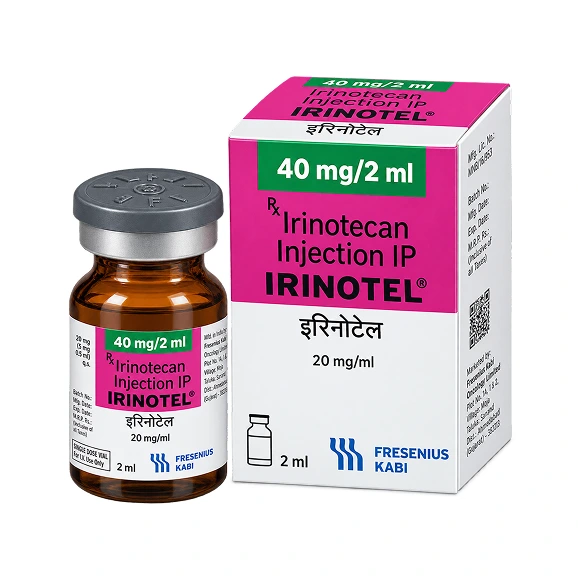
Irinotecan Hydrochloride Injection
| Product/Composition | Irinotecan Hydrochloride Injection |
|---|---|
| Strength | 20mg/ml |
| Form | Injection |
| Production Capacity | 1 Million Injection/Month |
| Therapeutic use | Anti Cancer |
| Package Insert/Leaflet | Available upon request |
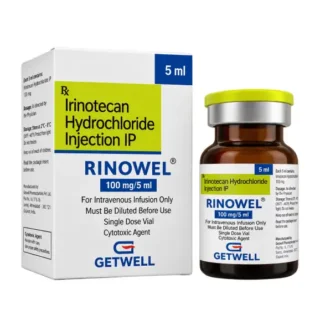
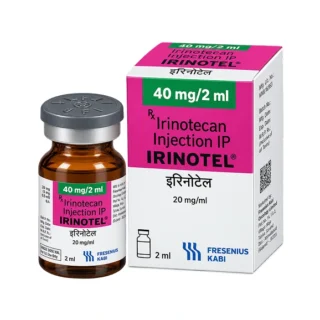
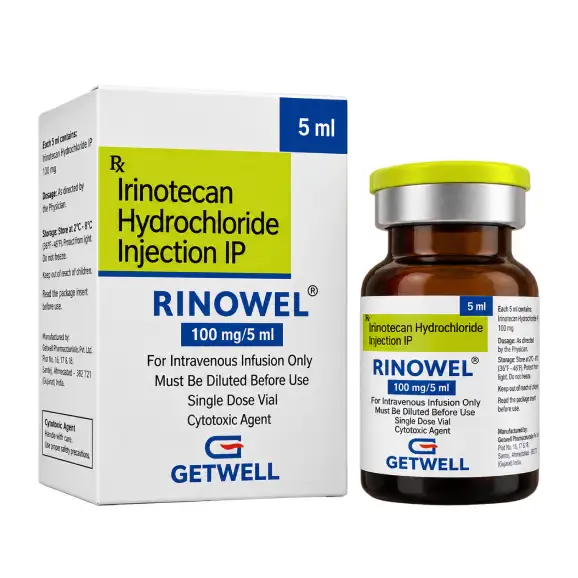
| Brand Name | Irinotel, Rinowel |
What It Is
Irinotecan Hydrochloride Injection is a chemotherapy medication used to treat certain types of cancer.
It belongs to a class of drugs called topoisomerase I inhibitors and is most commonly used for colorectal cancer (cancer of the colon or rectum).
Composition
-
Active ingredient: Irinotecan hydrochloride (in a sterile solution)
-
Appearance: Clear, pale yellow solution
-
Route: Given by intravenous (IV) infusion in a hospital or clinic
How It Works
Irinotecan works by:
-
Targeting Topoisomerase I enzyme – this enzyme helps unwind DNA during cell replication.
-
Blocking DNA replication in cancer cells – when the enzyme is blocked, DNA breaks accumulate.
-
Killing rapidly dividing cells – this slows or stops the growth of cancer.
Because it affects cell division, it can also affect some normal cells, which is why side effects can occur.
Uses / Indications
Irinotecan Hydrochloride is commonly used for:
-
Metastatic colorectal cancer (spread beyond the colon/rectum)
-
Often combined with other chemotherapy drugs such as 5-fluorouracil (5-FU) and leucovorin (regimen known as FOLFIRI)
-
Sometimes used for other cancers (off-label) such as lung, gastric, or pancreatic cancer if recommended by oncologists
Administration
-
Given by IV infusion over 30–90 minutes
-
Usually administered every 1–3 weeks depending on the treatment regimen
-
Dose is calculated based on body surface area (BSA), overall health, and previous treatment response
Possible Side Effects
Because it is a strong chemotherapy drug, side effects are common. These may include:
-
Diarrhea (can be early-onset or delayed — may require special treatment)
-
Nausea and vomiting
-
Low white blood cell count (risk of infections)
-
Hair loss
-
Fatigue
-
Abdominal pain or cramping
Rare but serious side effects:
-
Severe dehydration from diarrhea
-
Allergic reactions
-
Lung problems (rare but possible)
Precautions
-
Patients are monitored closely for white blood cell counts and hydration status
-
Anti-nausea and anti-diarrheal medications are often given alongside treatment
-
Not recommended in people with severe liver dysfunction without dose adjustment