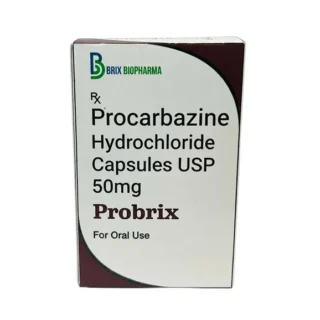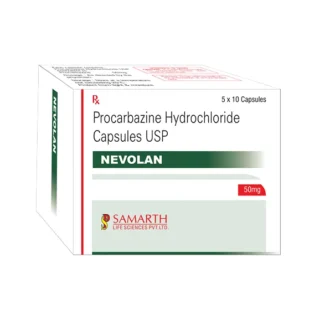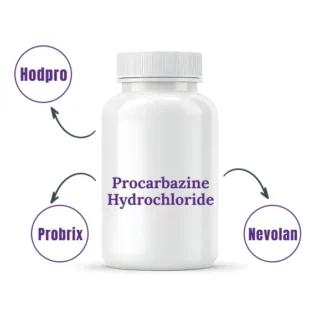

Procarbazine Capsules Hodpro
| Product/Composition | Procarbazine Capsules |
|---|---|
| Strength | 50mg |
| Form | Capsules |
| Production Capacity | 10 Million Capsules/Month |
| Packaging | 10 X 10 Capsules / Box |
| Therapeutic use | Hodgkin Lymphoma & Selected Malignancies |
| Package Insert/Leaflet | Available upon request |
| Brand Name | Hodpro |
Procarbazine Capsules – Hodpro contain Procarbazine Hydrochloride, an oral alkylating-type anticancer medicine used primarily as part of combination chemotherapy for Hodgkin lymphoma and selected other malignancies.
Procarbazine interferes with DNA, RNA, and protein synthesis, which inhibits the growth and multiplication of susceptible cancer cells. It is commonly incorporated into combination chemotherapy regimens rather than used as a standalone treatment.
Hodpro is a prescription cytotoxic medicine that should be used under the supervision of an oncologist. The dosage and treatment schedule depend on the cancer type, chemotherapy regimen, blood counts, organ function, and individual patient response.
What is Procarbazine?
Procarbazine is a cytotoxic antineoplastic and alkylating-type agent. Its active metabolites interfere with cellular DNA and other macromolecules, impairing the replication and proliferation of cancer cells.
It is particularly well established as a component of combination chemotherapy for Hodgkin lymphoma.
Benefits / Uses
Procarbazine Capsules may be used as part of established oncology protocols for:
- Hodgkin lymphoma
- Selected non-Hodgkin lymphomas
- Certain brain tumors, including selected gliomas
- Other malignancies according to specific chemotherapy protocols
Procarbazine is frequently used in combination regimens with other anticancer medicines, depending on the patient’s diagnosis and treatment plan.
Dosage Guidelines
Procarbazine is administered orally according to the prescribed chemotherapy regimen.
- The dosage is determined according to the specific cancer and treatment protocol.
- Treatment may involve daily administration for a defined period followed by a treatment break, depending on the regimen.
- Complete blood counts should be monitored regularly because bone-marrow suppression is an important potential toxicity.
- Liver and kidney function may also require monitoring.
- Patients should avoid alcohol during treatment and for the period specified by their healthcare professional because Procarbazine can cause clinically significant interactions with alcohol.
- Procarbazine may interact with certain foods and medicines, including some foods containing high levels of tyramine and medicines affecting the central nervous system or blood pressure.
The exact dose, duration, and dietary restrictions should always follow the approved product information and oncologist’s instructions.
Wholesale & Supply
Hodpro – Procarbazine Capsules can be supplied for hospitals, oncology centers, pharmaceutical distributors, wholesalers, and international healthcare markets, subject to applicable regulatory requirements.
Bulk pharmaceutical buyers can request:
- Available strengths and presentations
- Packaging configuration
- Minimum order quantity
- Production and supply capacity
- Certificate of Analysis (CoA)
- Product documentation
- Regulatory and export documents
Buying Online
Procarbazine is a prescription cytotoxic chemotherapy medicine and should only be procured through authorized pharmaceutical suppliers and used under qualified medical supervision.
Hospitals, licensed distributors, and healthcare procurement organizations can contact the supplier for product availability, commercial quotations, and applicable documentation.
Reviews
Individual responses to Procarbazine-based chemotherapy vary depending on cancer type, disease stage, treatment combination, dosage, and patient characteristics. Treatment decisions should therefore be based on professional oncology assessment rather than individual product reviews.
Quality Assurance
Hodpro should be manufactured and handled according to applicable pharmaceutical quality requirements. Quality-control procedures for capsules may include:
- Identity and assay
- Purity and related substances
- Uniformity of dosage units
- Dissolution
- Microbiological quality, where applicable
- Stability testing
- Packaging and container-closure integrity
Product-specific quality and regulatory documentation can be provided upon request, where applicable.
Frequently Asked Questions
What is Hodpro used for?
Hodpro contains Procarbazine Hydrochloride and is primarily used as part of combination chemotherapy for Hodgkin lymphoma and selected other malignancies.
What type of medicine is Procarbazine?
Procarbazine is a cytotoxic antineoplastic medicine classified as an alkylating-type agent. It interferes with DNA and other cellular processes required for cancer-cell growth.
How is Hodpro administered?
Hodpro is administered orally as capsules according to the prescribed chemotherapy regimen.
Is Procarbazine used alone or with other medicines?
Procarbazine is commonly used in combination with other anticancer medicines, particularly in established chemotherapy protocols for Hodgkin lymphoma.
What are the important side effects of Procarbazine?
Potential adverse effects include nausea, vomiting, reduced blood cell counts, fatigue, loss of appetite, and neurological effects. Serious toxicity can occur and requires appropriate medical monitoring.
Can alcohol be consumed while taking Procarbazine?
Alcohol should generally be avoided during Procarbazine treatment because it can cause unpleasant or clinically significant reactions. Patients should follow their oncologist’s specific instructions.
Does Hodpro require specialist supervision?
Yes. Procarbazine is a cytotoxic chemotherapy medicine and should be prescribed, dispensed, and monitored by appropriately trained oncology professionals.
Conclusion
Hodpro – Procarbazine Capsules is an oral cytotoxic anticancer medicine particularly recognized as a component of combination chemotherapy for Hodgkin lymphoma. Because it can cause significant hematological and other toxicities and has important drug and food interactions, treatment should be carefully supervised by an oncology professional.