
Vinorelbine Injection
| Product/Composition | Vinorelbine Injection |
|---|---|
| Form | Injection |
| Strength | 10mg/1ml, 50mg/5ml |
| Therapeutic use | Anti Cancer |
| Package Insert/Leaflet | Available upon request |
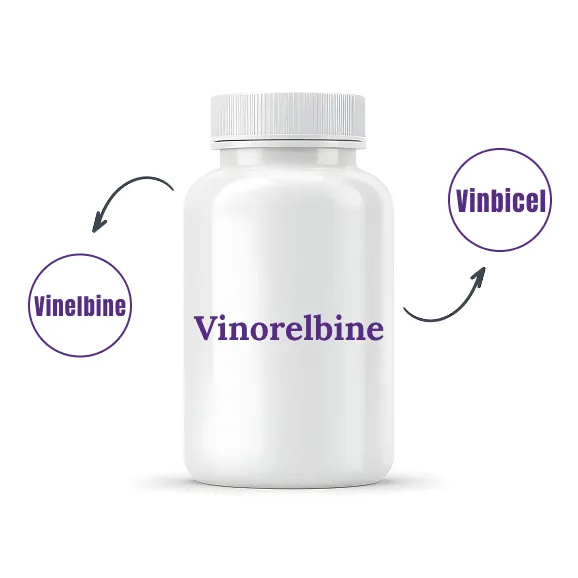
| Brand Name | Vinelbine, Vinbicel |
Vinorelbine Injection
Category: Chemotherapy / Antineoplastic agent
Form: Injectable solution for intravenous (IV) use
Uses:
-
Treatment of non-small cell lung cancer (NSCLC).
-
Used in breast cancer as part of combination chemotherapy.
-
Sometimes used in other solid tumors depending on the oncologist’s protocol.
Mechanism of Action:
-
Vinorelbine is a semi-synthetic vinca alkaloid.
-
Binds to tubulin, preventing microtubule formation.
-
Disrupts mitotic spindle formation during cell division, leading to cell cycle arrest in metaphase.
-
Causes apoptosis (cell death) in rapidly dividing cancer cells.
Administration:
-
Administered intravenously, usually via slow infusion.
-
Dosage depends on type of cancer, body surface area, and patient health.
-
Usually given in cycles, with rest periods to allow recovery of normal cells.
Side Effects:
-
Hematologic: neutropenia (most common), anemia, thrombocytopenia.
-
Gastrointestinal: nausea, vomiting, constipation, diarrhea.
-
Neurological: peripheral neuropathy (less common than vincristine).
-
Other: hair loss, fatigue, injection site reactions.
Precautions:
-
Monitor complete blood counts (CBC) to prevent severe myelosuppression.
-
Adjust dose in patients with liver impairment.
-
Avoid extravasation during IV infusion to prevent tissue damage.
-
Use antiemetics to manage nausea and vomiting.
-
Contraindicated in pregnancy and breastfeeding due to potential harm to the fetus or infant.
Summary:
Vinorelbine Injection is a chemotherapy drug that disrupts microtubule formation, leading to cell cycle arrest and apoptosis in cancer cells. It is primarily used to treat non-small cell lung cancer and breast cancer. Administered intravenously in cycles, it requires monitoring for hematologic, gastrointestinal, and neurological side effects, and careful administration to prevent tissue injury.