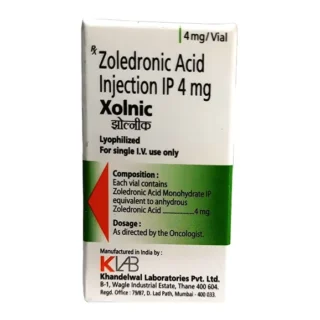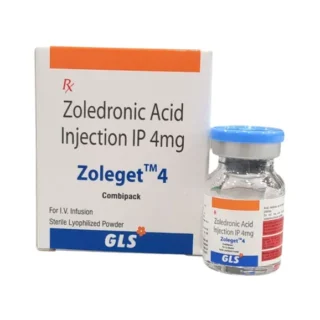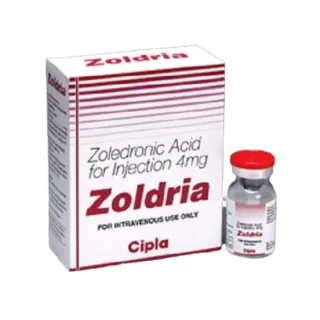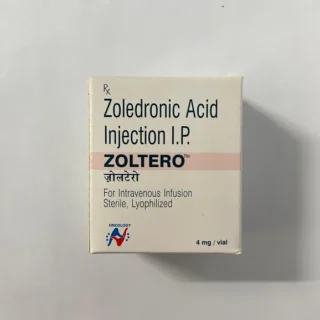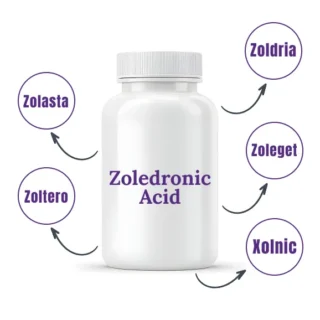
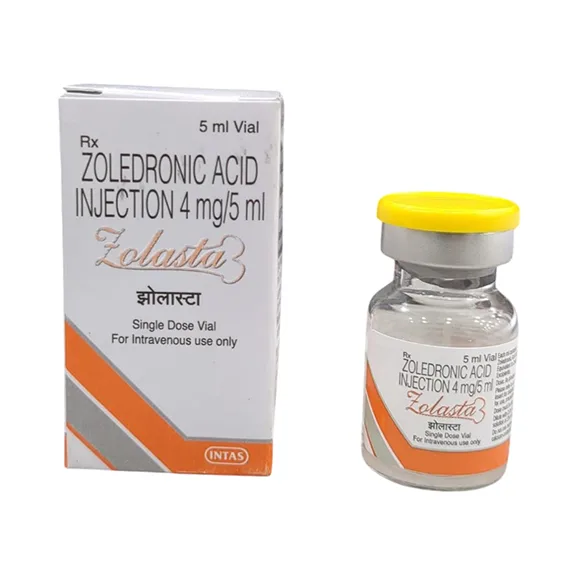
Zoledronic Acid Injection Zolasta
| Product/Composition | Zoledronic Acid |
|---|---|
| Strength | 4mg |
| Form | Injection |
| Production Capacity | 10 Million Vials/Month |
| Packaging | 1 Vial / Box |
| Therapeutic use | Hypercalcemia of Malignancy / Bone Metastases / Multiple Myeloma |
| Package Insert/Leaflet | Available upon request |
| Brand Name | Zolasta |
Zolasta contains Zoledronic Acid, a potent intravenous bisphosphonate used to manage conditions associated with increased bone resorption and elevated calcium levels.
Zoledronic Acid inhibits osteoclast-mediated bone resorption by interfering with the mevalonate pathway within osteoclasts. This reduces bone breakdown and can help decrease skeletal complications associated with certain cancers.
In oncology, Zoledronic Acid is used to help manage bone metastases from solid tumors, multiple myeloma-related bone disease, and hypercalcemia of malignancy.
What is Zoledronic Acid?
Zoledronic Acid is a nitrogen-containing bisphosphonate administered by intravenous infusion. It binds to bone mineral and suppresses excessive osteoclast activity, thereby reducing bone resorption.
It is commonly used in oncology and in selected metabolic bone disorders.
Benefits / Uses
Zolasta (Zoledronic Acid) may be used for:
- Hypercalcemia of malignancy
- Multiple myeloma with bone involvement
- Bone metastases associated with solid tumors
- Reduction of skeletal-related complications in appropriate oncology patients
- Selected bone disorders according to the prescribed indication
Treatment should be selected according to the patient’s diagnosis, renal function, calcium status, and clinical requirements.
Dosage Guidelines
Zoledronic Acid dosing and infusion schedule depend on the indication, renal function, calcium levels, and treatment protocol.
- Administer by intravenous infusion under qualified medical supervision.
- Renal function should be assessed before treatment and monitored during therapy.
- Adequate hydration should be maintained as clinically appropriate.
- Serum calcium, phosphate, magnesium, and other relevant parameters may require monitoring.
- Calcium and vitamin D supplementation may be recommended in selected patients.
- Dose adjustment may be necessary in patients with impaired renal function.
- Dental assessment and good oral hygiene may be recommended because of the risk of osteonecrosis of the jaw.
Wholesale & Supply
Zolasta (Zoledronic Acid Injection) may be supplied for pharmaceutical wholesale and institutional procurement, subject to applicable regulatory requirements and destination-country regulations.
Bulk procurement enquiries may include:
- Available strengths and presentations
- Packaging configuration
- Certificate of Analysis (CoA)
- Batch information
- Manufacturing documentation
- Export and shipping documentation
Buying Online
Zoledronic Acid Injection is a prescription intravenous medicine and should be sourced through authorized pharmaceutical distributors, hospitals, pharmacies, or licensed healthcare channels.
Reviews
Individual response to Zoledronic Acid varies according to the underlying disease, bone involvement, renal function, treatment regimen, and patient-specific factors. Treatment should be monitored by the treating healthcare team.
Quality Assurance
Zoledronic Acid Injection should undergo appropriate pharmaceutical quality-control testing according to applicable standards, including relevant testing for identity, potency, purity, sterility, and other formulation-specific quality requirements.
Frequently Asked Questions
What is Zolasta used for?
Zolasta contains Zoledronic Acid and may be used to manage hypercalcemia of malignancy, multiple myeloma-related bone disease, and bone metastases associated with certain solid tumors.
What type of medicine is Zoledronic Acid?
Zoledronic Acid is a nitrogen-containing bisphosphonate that inhibits osteoclast-mediated bone resorption.
How does Zoledronic Acid work?
Zoledronic Acid suppresses osteoclast activity, reducing excessive breakdown of bone and helping decrease skeletal complications associated with certain diseases.
How is Zolasta administered?
Zolasta is administered as an intravenous infusion by qualified healthcare professionals.
Does Zoledronic Acid affect kidney function?
Yes. Zoledronic Acid can affect renal function, particularly in susceptible patients. Renal function should therefore be assessed before treatment and monitored as appropriate.
What are the important side effects of Zoledronic Acid?
Potential adverse effects include fever, fatigue, bone or muscle pain, nausea, and transient changes in calcium and other electrolytes. Renal impairment and osteonecrosis of the jaw are important clinically significant risks.
Why is dental care important during Zoledronic Acid treatment?
Bisphosphonate treatment has been associated with osteonecrosis of the jaw. Maintaining good oral hygiene and addressing significant dental problems appropriately can help reduce risk.
Can Zoledronic Acid be used in cancer patients with bone metastases?
Yes. Zoledronic Acid may be used to reduce skeletal-related complications in appropriate patients with bone metastases from certain solid tumors.
Who should administer Zolasta?
Zolasta should be prescribed and administered under the supervision of qualified healthcare professionals experienced in the management of oncology and bone-related conditions.
Conclusion
Zolasta (Zoledronic Acid Injection) is a potent intravenous bisphosphonate used in oncology and selected bone-related conditions. By inhibiting osteoclast-mediated bone resorption, it can help manage hypercalcemia of malignancy, multiple myeloma-related bone disease, and bone metastases. Because renal function, calcium levels, hydration status, and dental health are important considerations, treatment should be provided under appropriate medical supervision.