
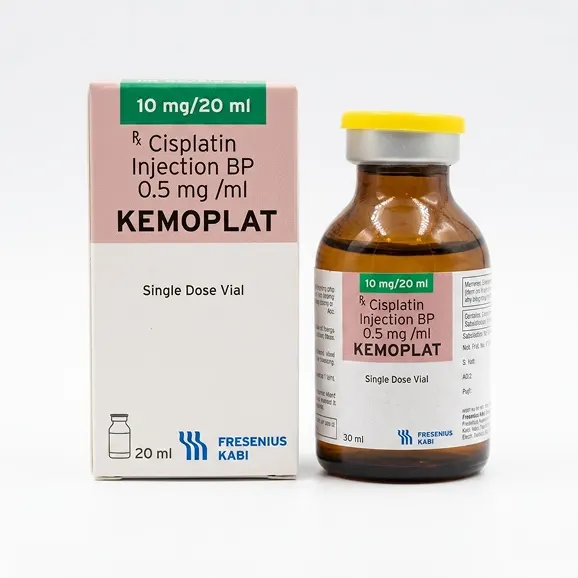
Cisplatin Kemoplat
| Product/Composition | Cisplatin |
|---|---|
| Strength | 50mg/50ml |
| Form | Injection |
| Production Capacity | 10 Million Vials/Month |
| Packaging | 1 Vial / Box |
| Therapeutic use | Cancer Treatment / Chemotherapy |
| Package Insert/Leaflet | Available upon request |
| Brand Name | Kemoplat |
Kemoplat contains Cisplatin, a platinum-based antineoplastic medicine used as part of combination chemotherapy regimens for the treatment of several types of cancer. Cisplatin works primarily by forming DNA cross-links within cancer cells, interfering with DNA replication and transcription and ultimately leading to cancer-cell death.
Cisplatin is administered by intravenous infusion under the supervision of an oncologist or other qualified healthcare professional. The dose and treatment schedule depend on the cancer type, chemotherapy protocol, kidney function, blood counts, hydration status, and the patient’s overall condition.
What is Cisplatin?
Cisplatin is a platinum-based chemotherapy agent. It damages the DNA of rapidly dividing cells by forming platinum-DNA cross-links, preventing cancer cells from properly replicating and repairing their genetic material.
It is used in a variety of chemotherapy protocols, either alone or in combination with other anticancer medicines.
Benefits / Uses
Cisplatin may be used in chemotherapy regimens for:
- Testicular cancer
- Ovarian cancer
- Bladder cancer
- Lung cancer, including selected non-small cell and small cell lung cancers
- Head and neck cancers
- Cervical cancer
- Esophageal cancer
- Other solid tumors, depending on the treatment protocol
The specific indication and combination regimen should be determined by the treating oncologist.
Dosage Guidelines
Cisplatin is given intravenously, and the dosage is individualized according to the cancer type and chemotherapy protocol.
Important considerations include:
- Adequate hydration is generally required before and after administration.
- Kidney function should be assessed before treatment and monitored during therapy.
- Blood counts and electrolyte levels may require regular monitoring.
- Antiemetic medicines are commonly used to help control chemotherapy-related nausea and vomiting.
- Dose adjustments or treatment delays may be necessary depending on toxicity and laboratory results.
Cisplatin should only be administered under appropriate medical supervision.
Wholesale & Supply
Kemoplat (Cisplatin) can be considered for pharmaceutical wholesale and institutional supply, subject to applicable regulatory requirements, market authorization, and destination-country regulations.
For bulk procurement, distributors and healthcare institutions can request information regarding:
- Available strengths and presentations
- Packaging configuration
- Batch details
- Manufacturing documentation
- Certificate of Analysis (CoA)
- Shipping and export documentation
Buying Online
Cisplatin is a prescription chemotherapy medicine and should only be obtained through authorized pharmaceutical distributors, hospitals, pharmacies, or licensed healthcare channels. Availability and supply requirements vary by country.
Reviews
Individual patient responses to Cisplatin can vary depending on cancer type, treatment combination, dosage, and overall health. Treatment outcomes should be evaluated by the treating oncology team rather than based on individual reviews.
Quality Assurance
Cisplatin products should be manufactured and tested according to applicable pharmaceutical quality standards. Quality-control procedures may include testing for identity, strength, purity, sterility, and other relevant specifications appropriate to the injectable formulation.
Frequently Asked Questions
What is Kemoplat used for?
Kemoplat contains Cisplatin and is used as part of chemotherapy regimens for several cancers, including testicular, ovarian, bladder, lung, head and neck, and cervical cancers.
What type of medicine is Cisplatin?
Cisplatin is a platinum-based cytotoxic chemotherapy agent.
How is Cisplatin administered?
Cisplatin is administered by intravenous infusion by qualified healthcare professionals.
Does Cisplatin require hydration?
Yes. Cisplatin treatment commonly involves careful hydration before and after administration to help reduce the risk of kidney toxicity.
What are the important side effects of Cisplatin?
Important adverse effects can include nausea and vomiting, kidney toxicity, reduced blood-cell counts, hearing-related toxicity, peripheral neuropathy, and electrolyte abnormalities. The treating medical team monitors patients for these effects.
Can Cisplatin be used with other chemotherapy medicines?
Yes. Cisplatin is frequently used in combination chemotherapy protocols, depending on the cancer type and treatment plan.
Is Cisplatin suitable for every cancer patient?
No. Its suitability depends on the cancer diagnosis, treatment protocol, kidney function, hearing status, blood counts, other medical factors, and previous treatments.
Conclusion
Kemoplat (Cisplatin) is an established platinum-based chemotherapy medicine used in multiple cancer-treatment protocols. Its DNA-crosslinking mechanism makes it an important component of combination chemotherapy for several solid tumors. Because Cisplatin can cause significant toxicities, including kidney, hearing, neurological, and hematological effects, it should be administered with appropriate monitoring and specialist oncology supervision.